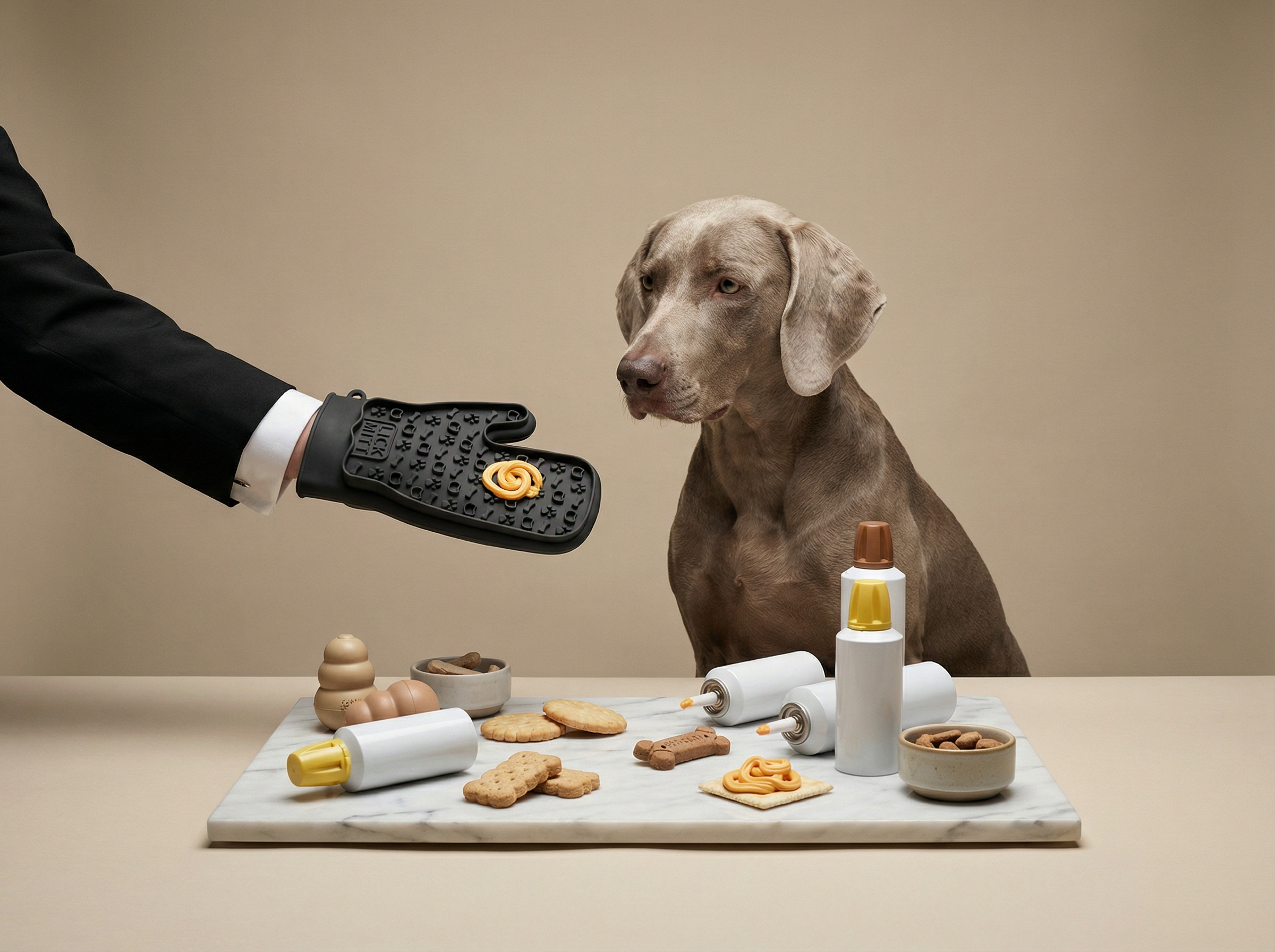
CALMING MOMENTS CREATED
OF PET PARENTS REPORT A CALMER PET
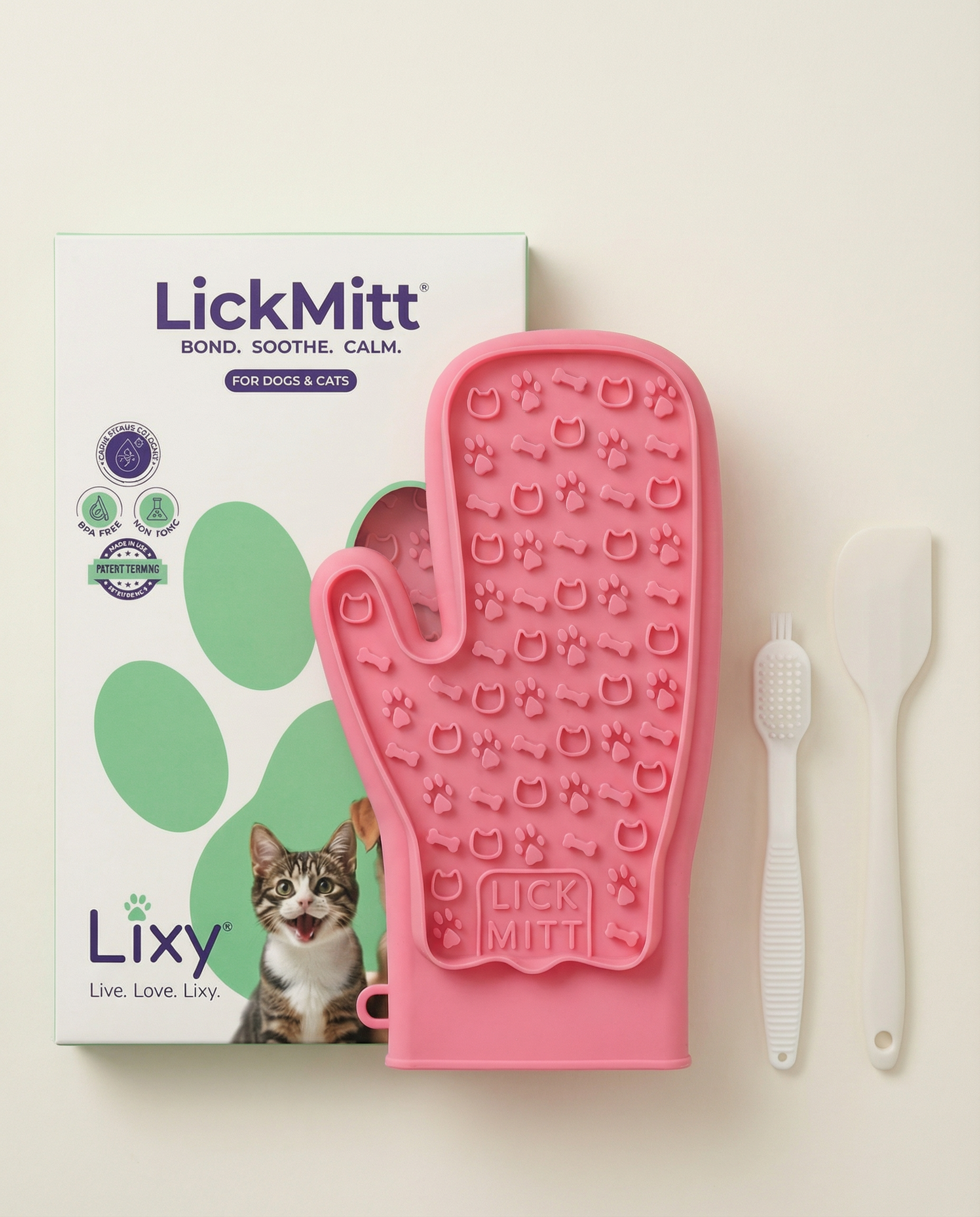
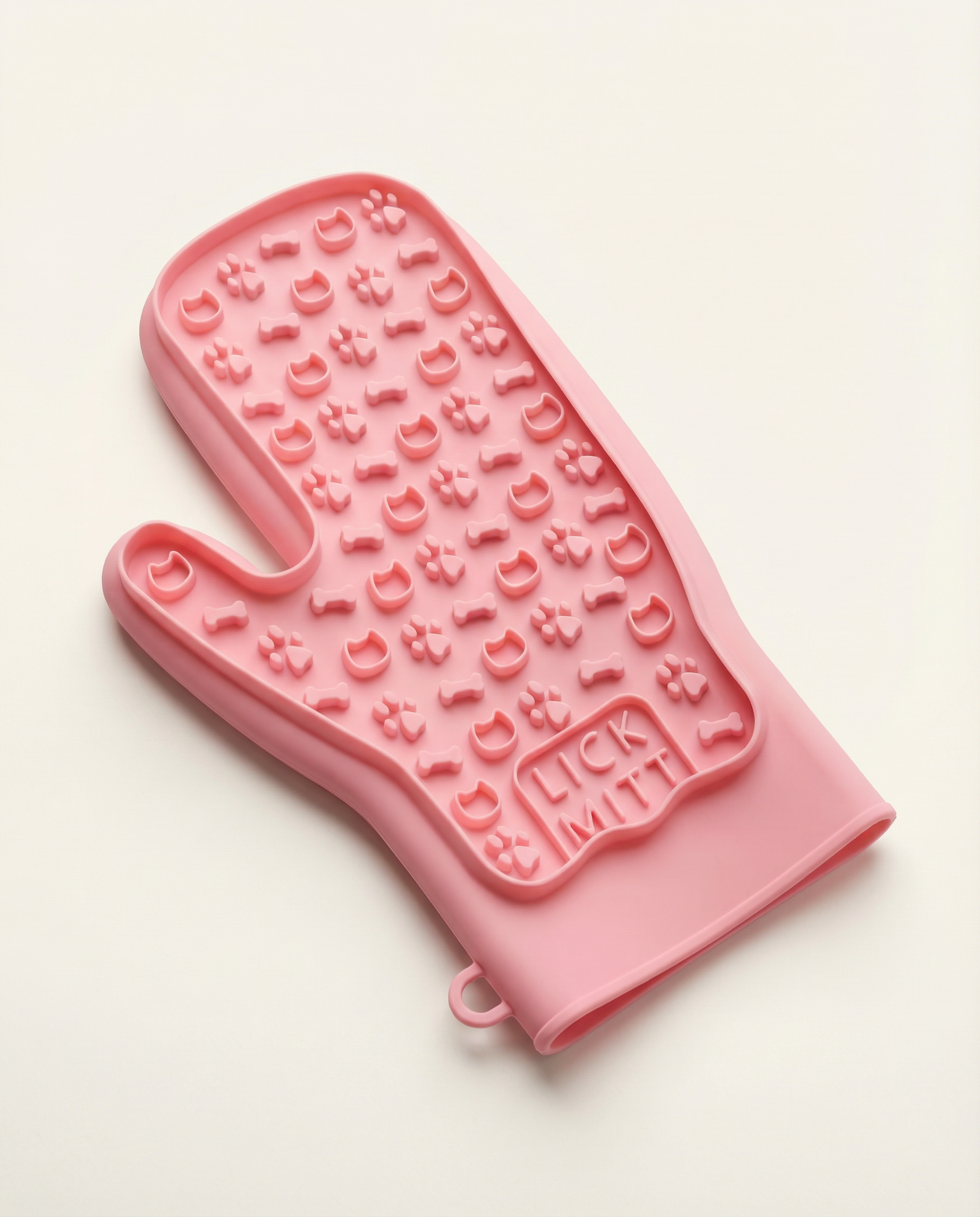
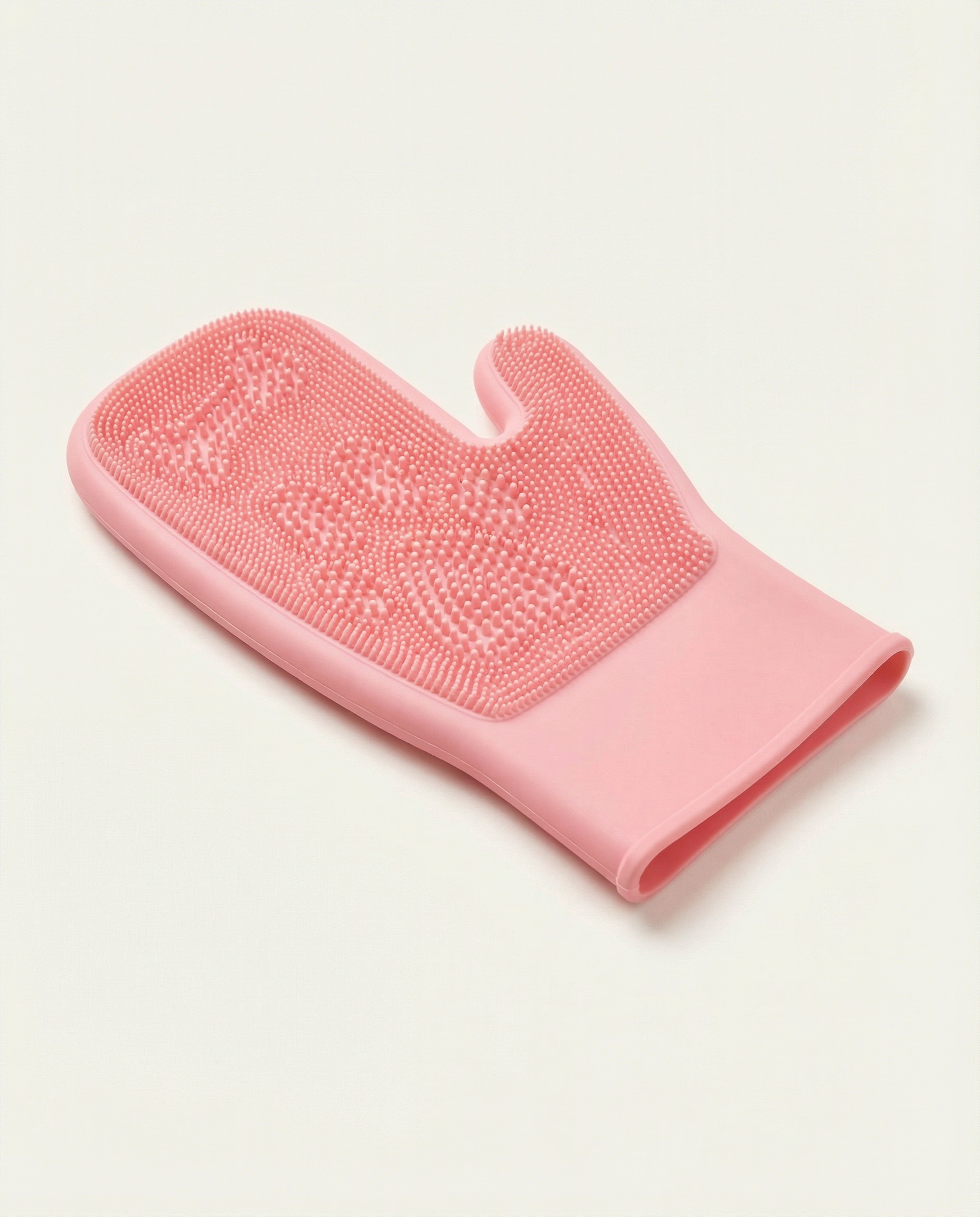
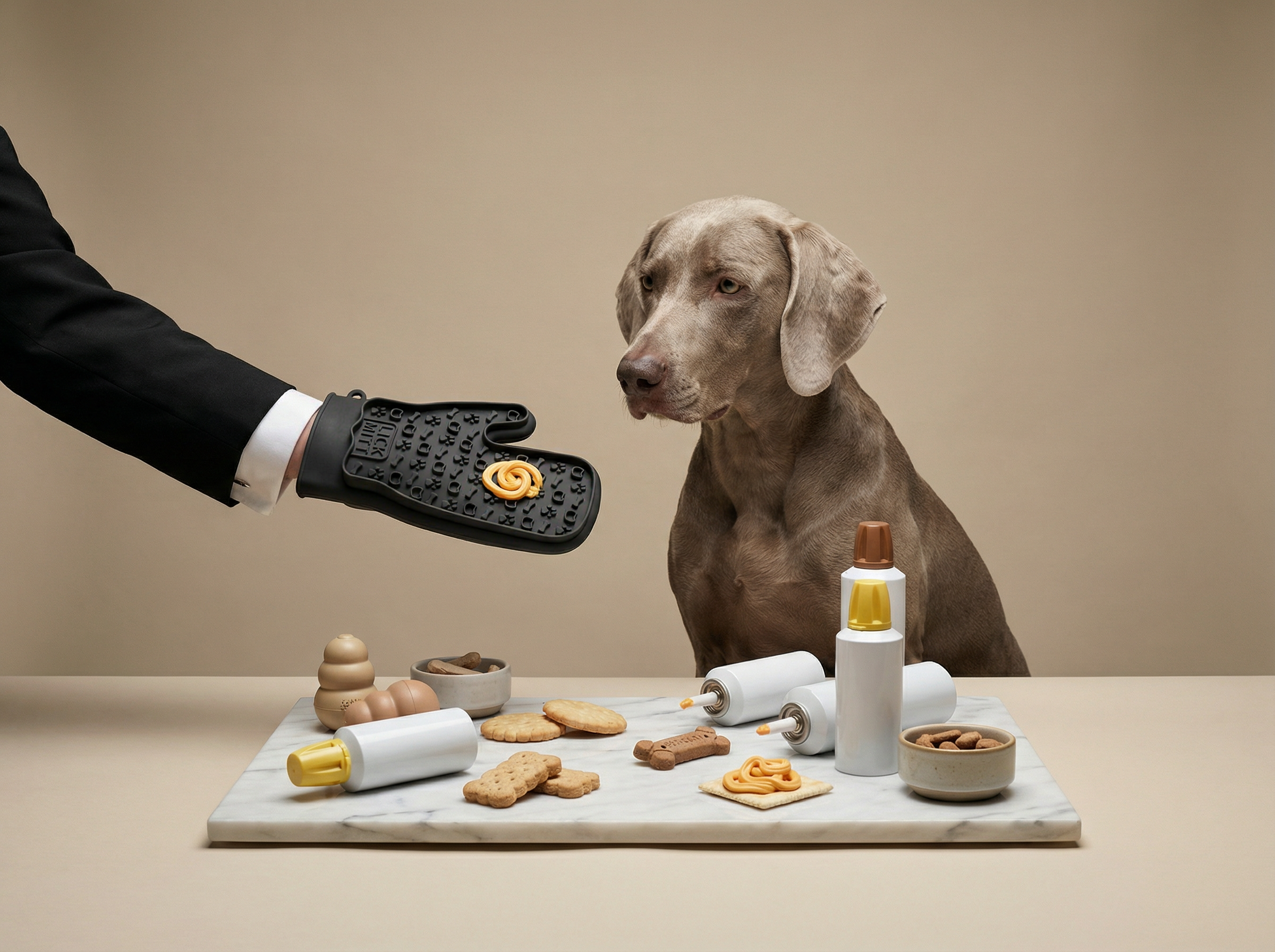
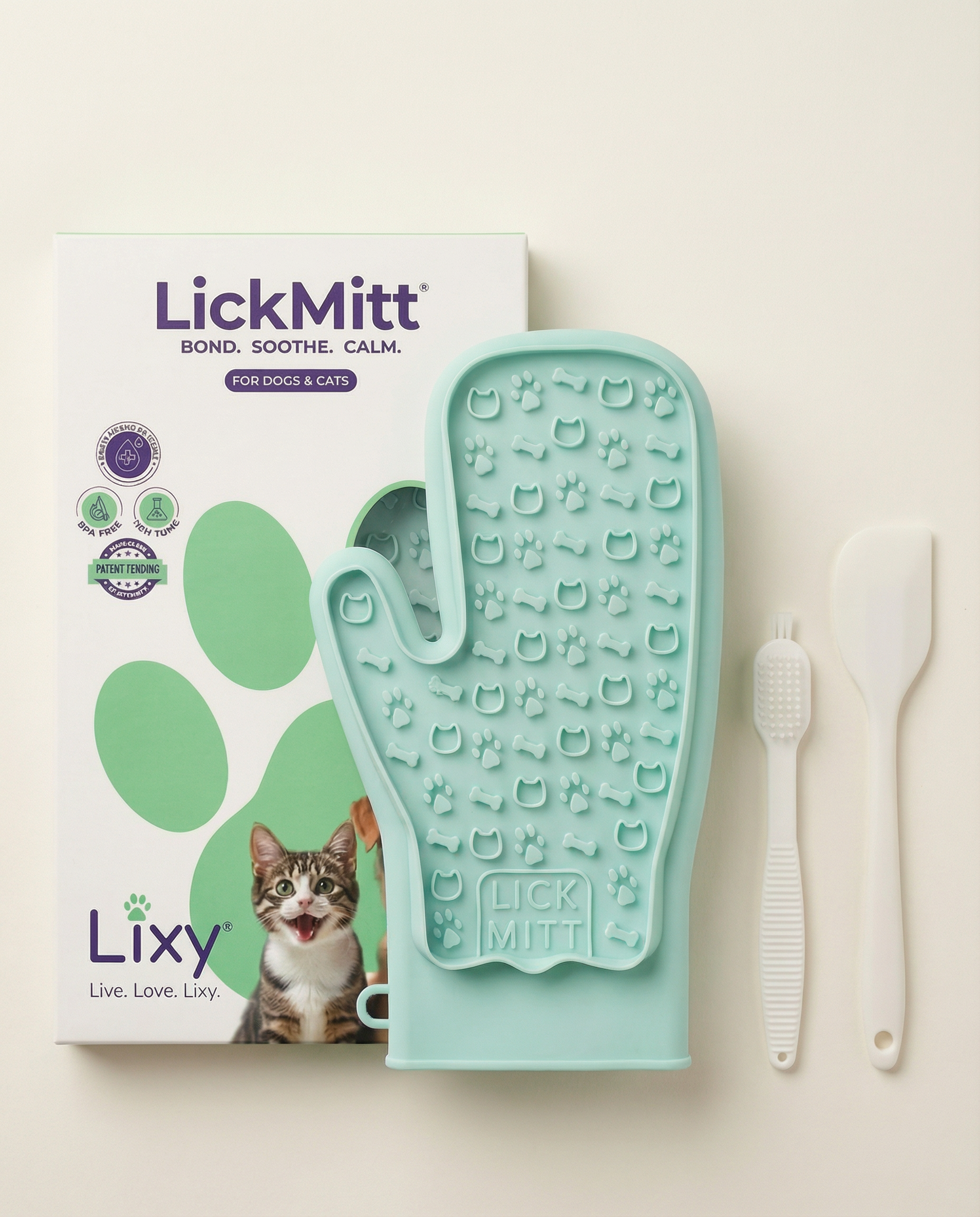
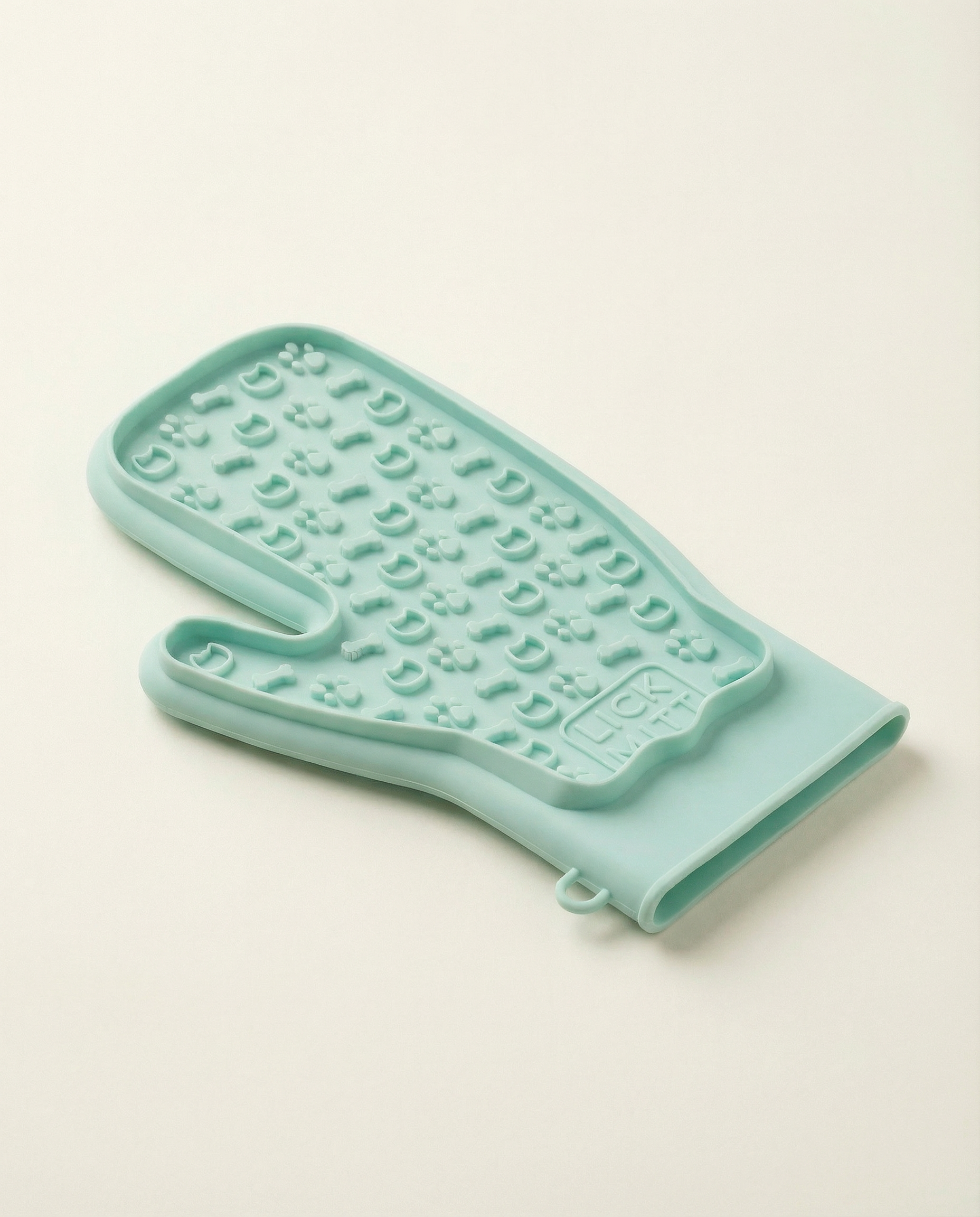
Where calm becomes connection®
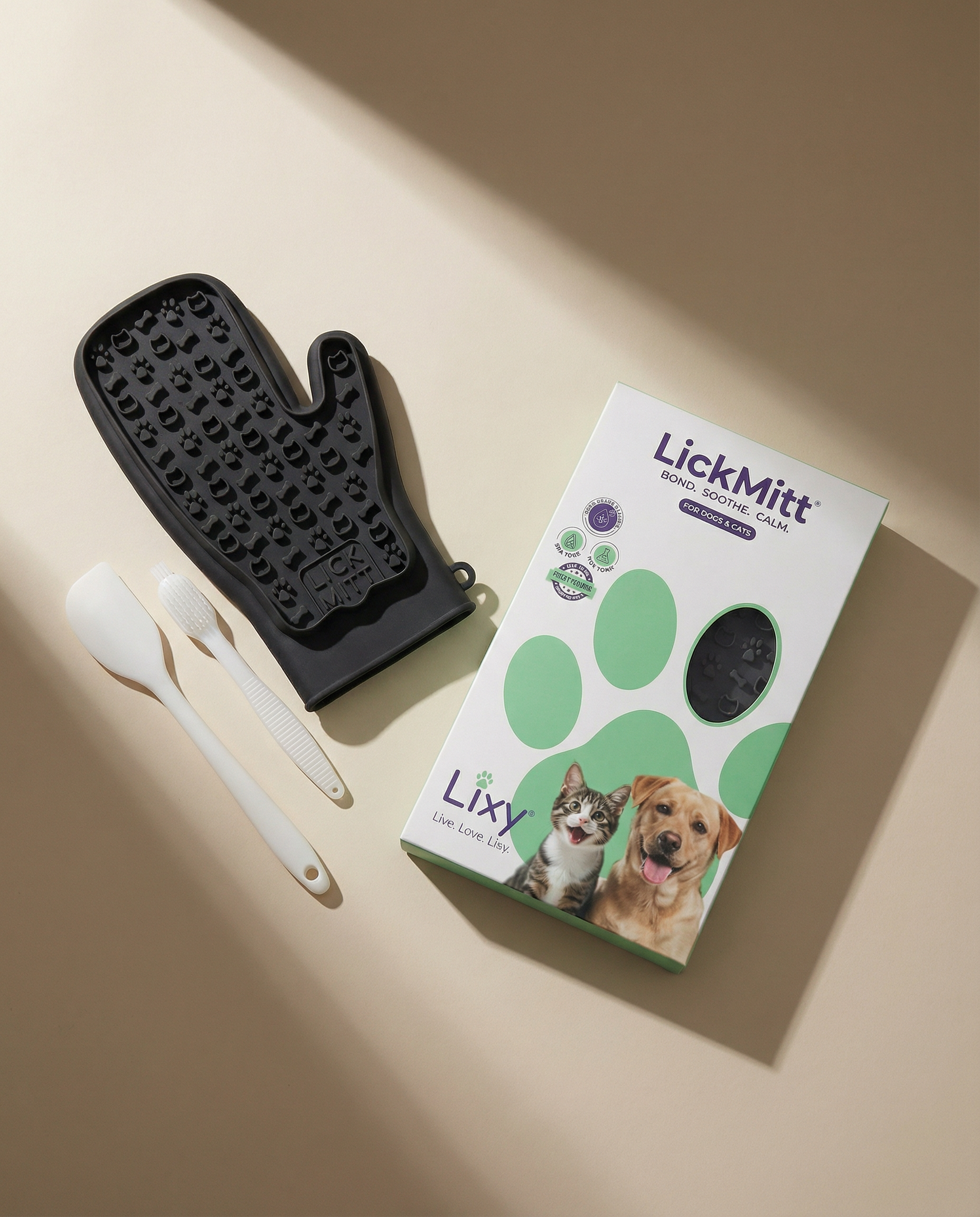
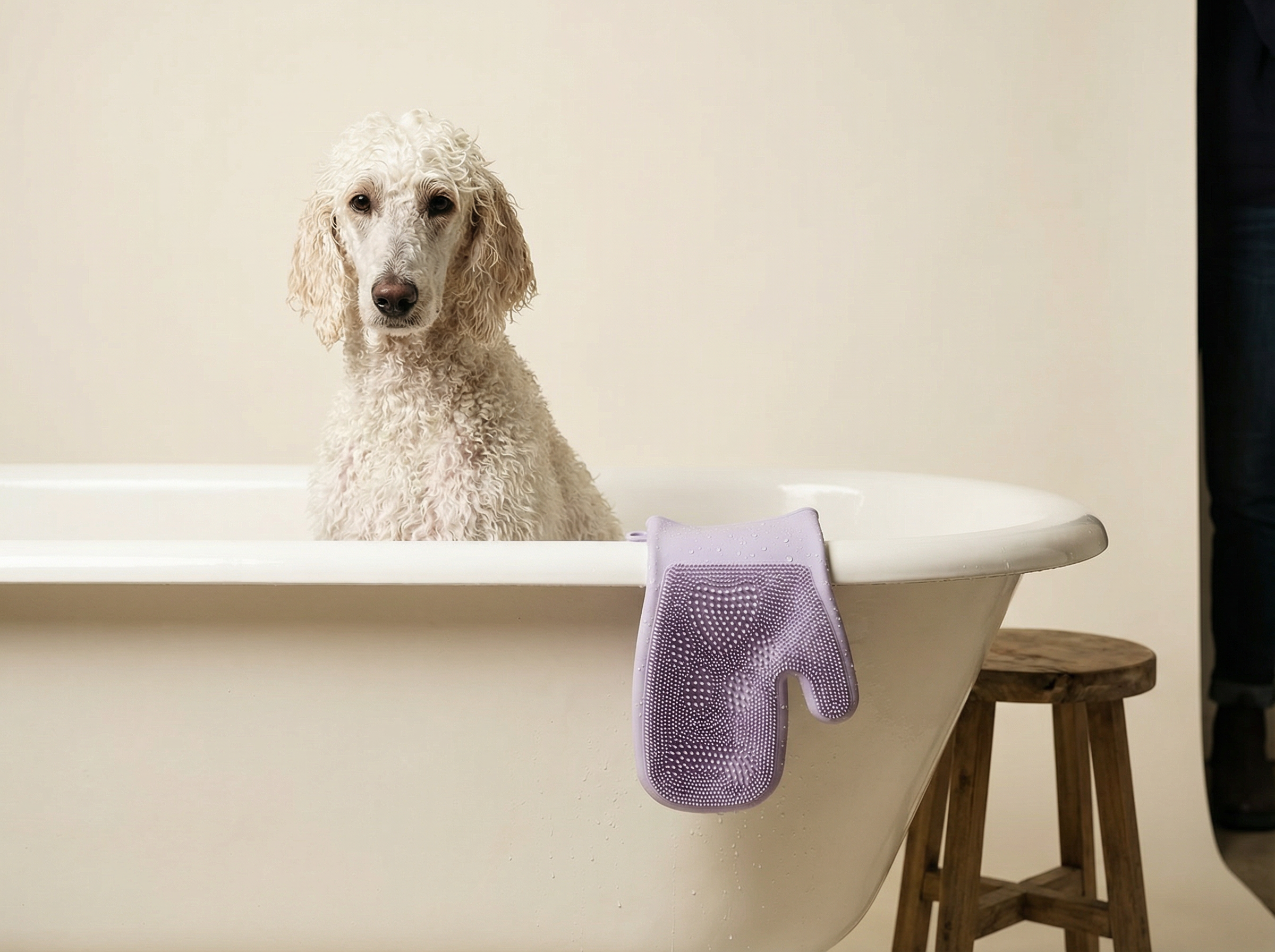
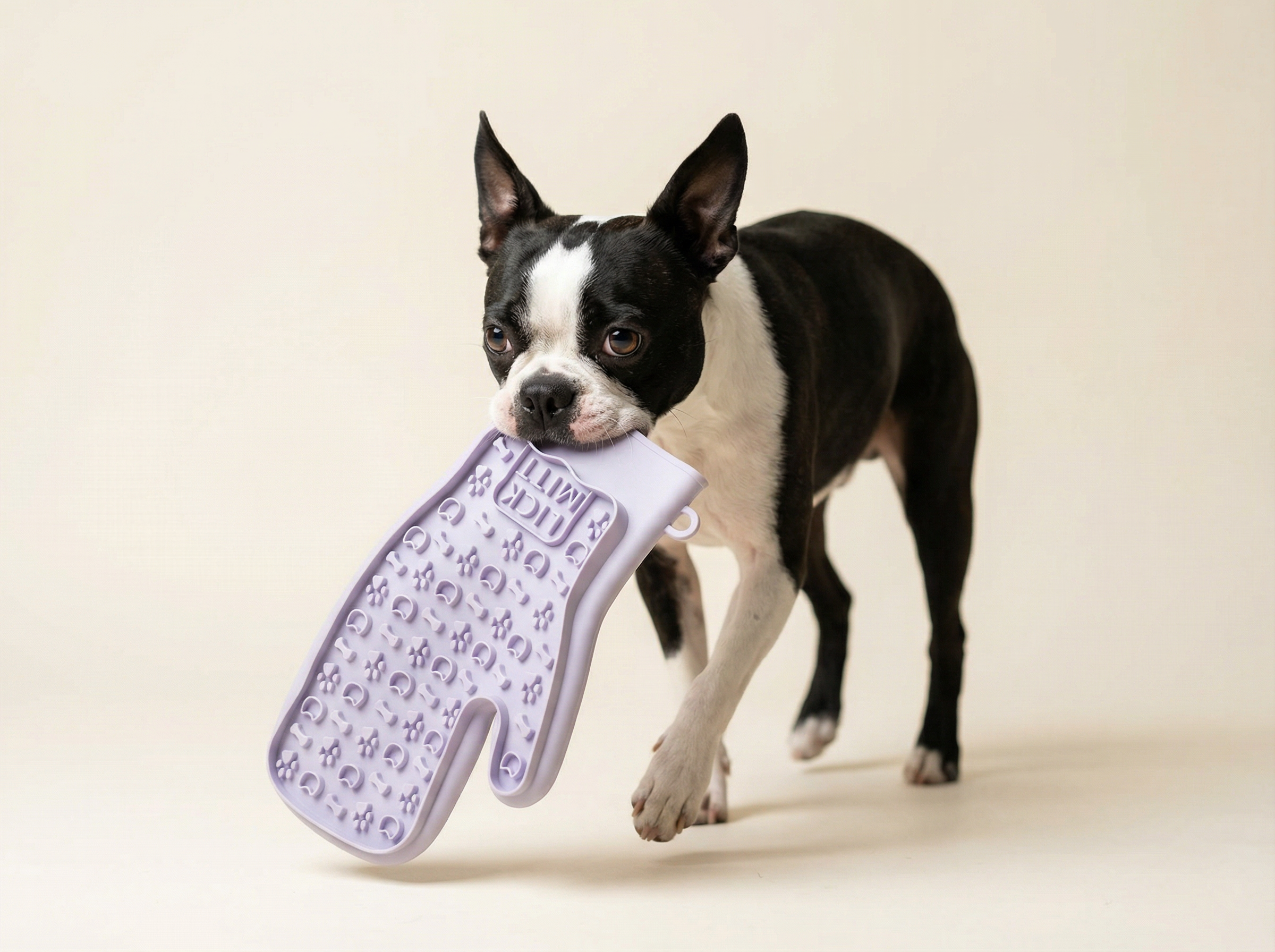
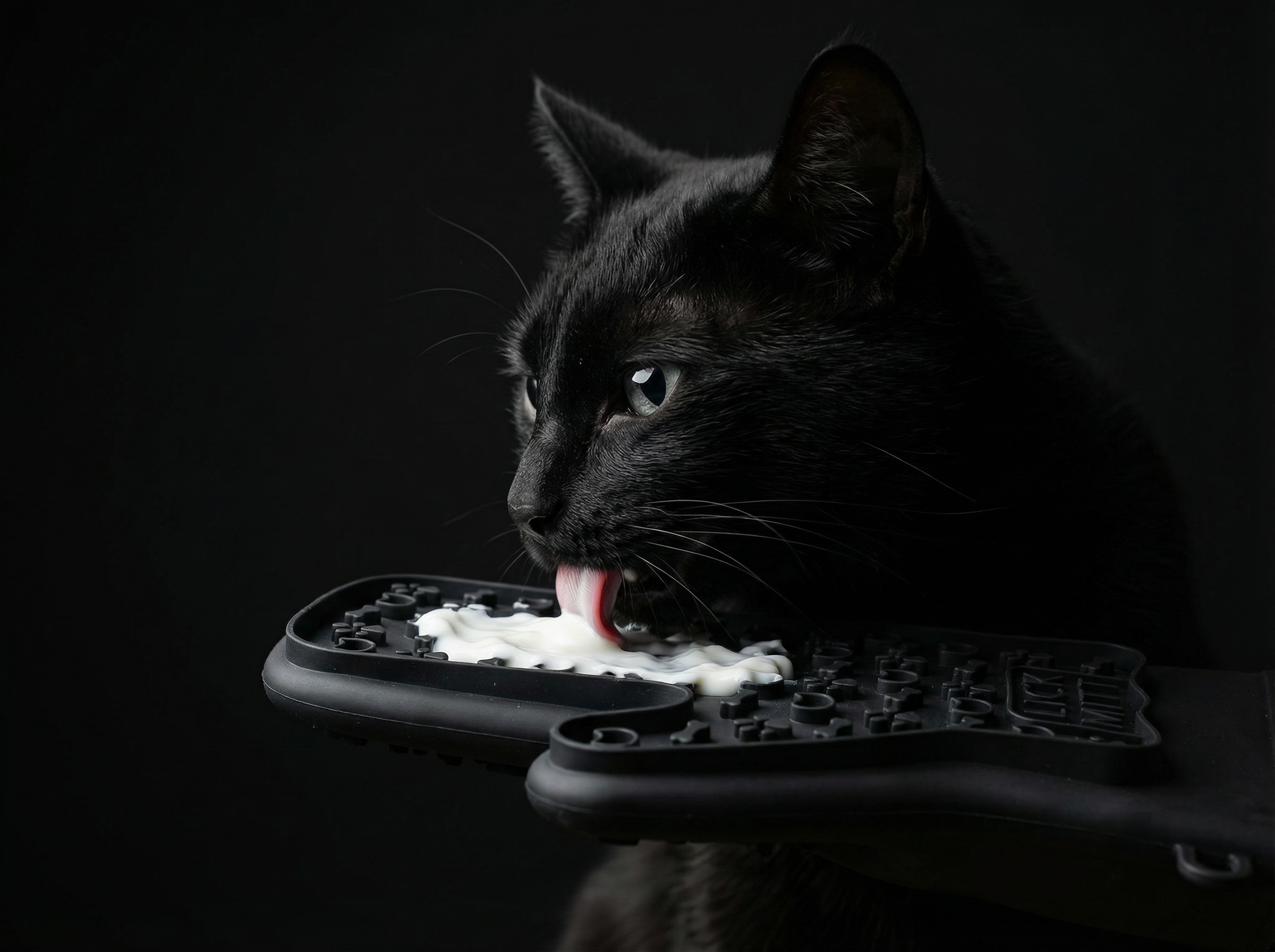

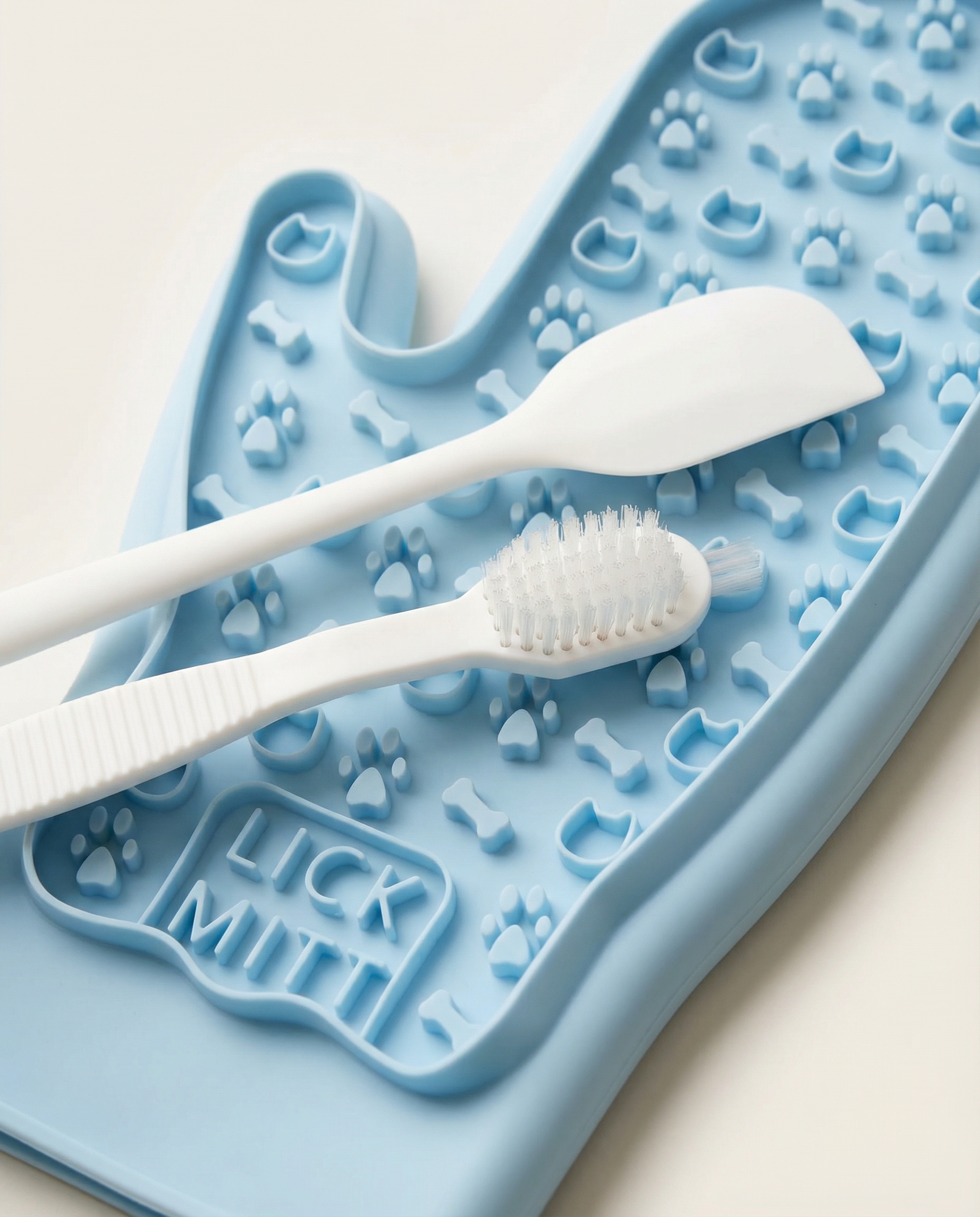
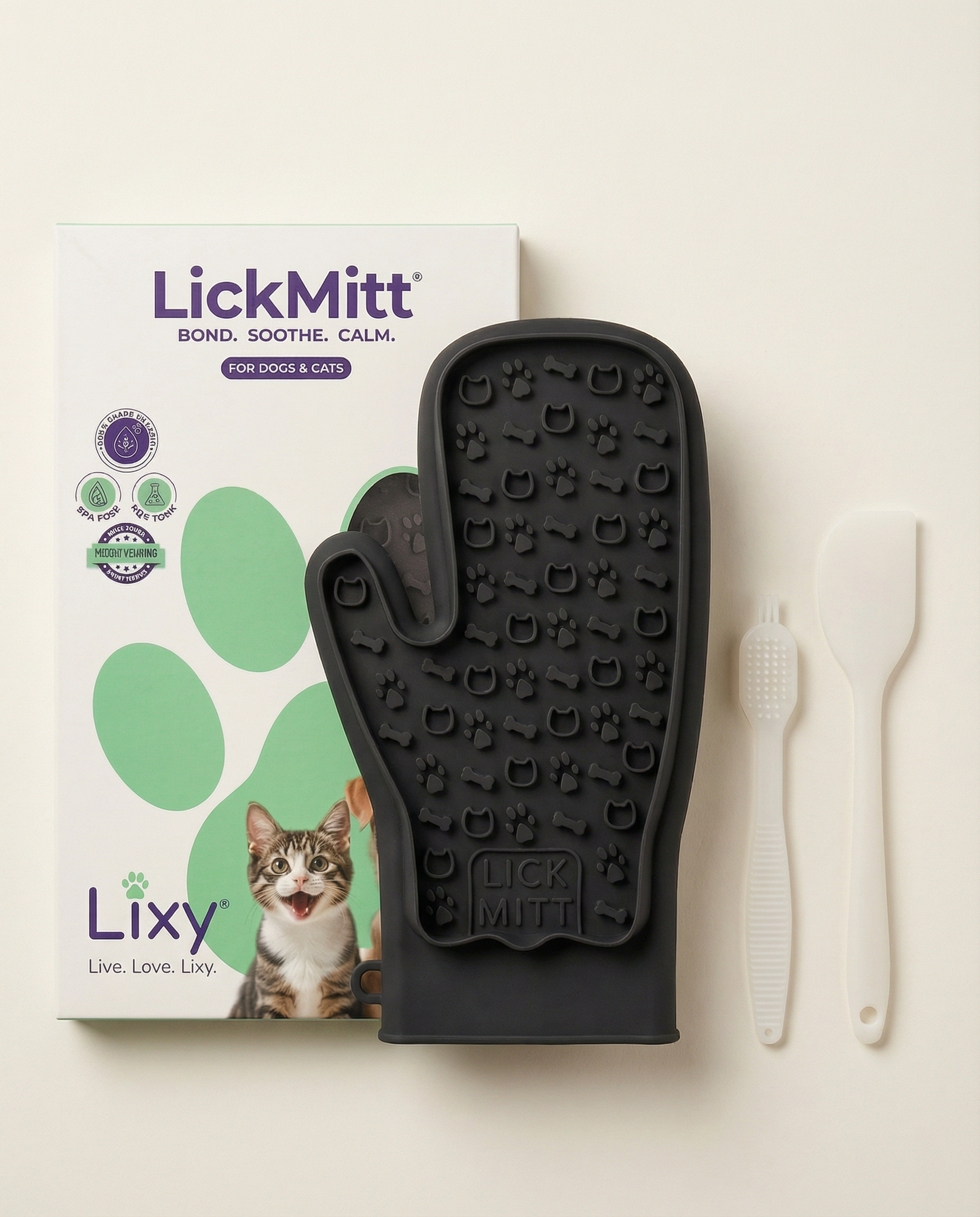
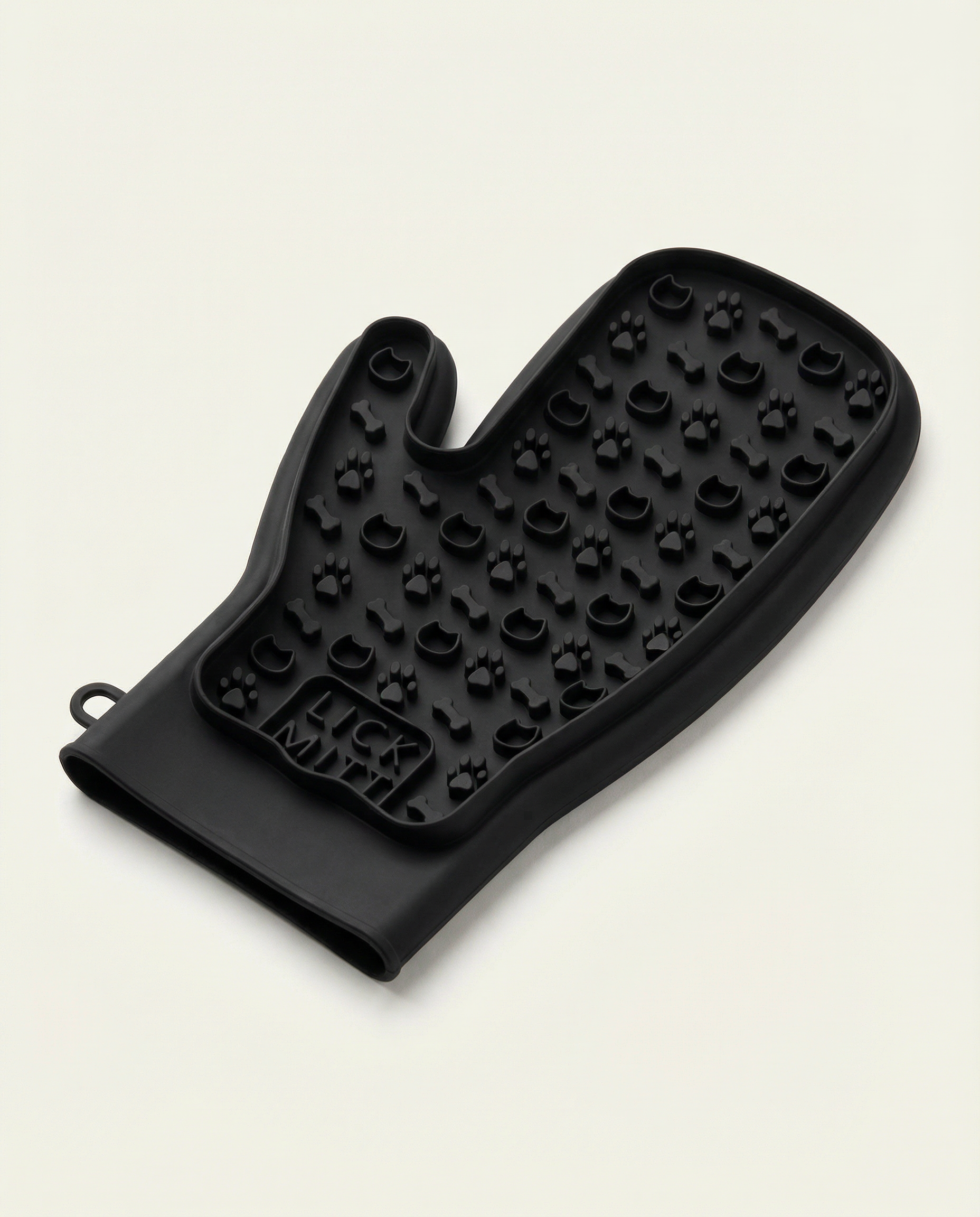
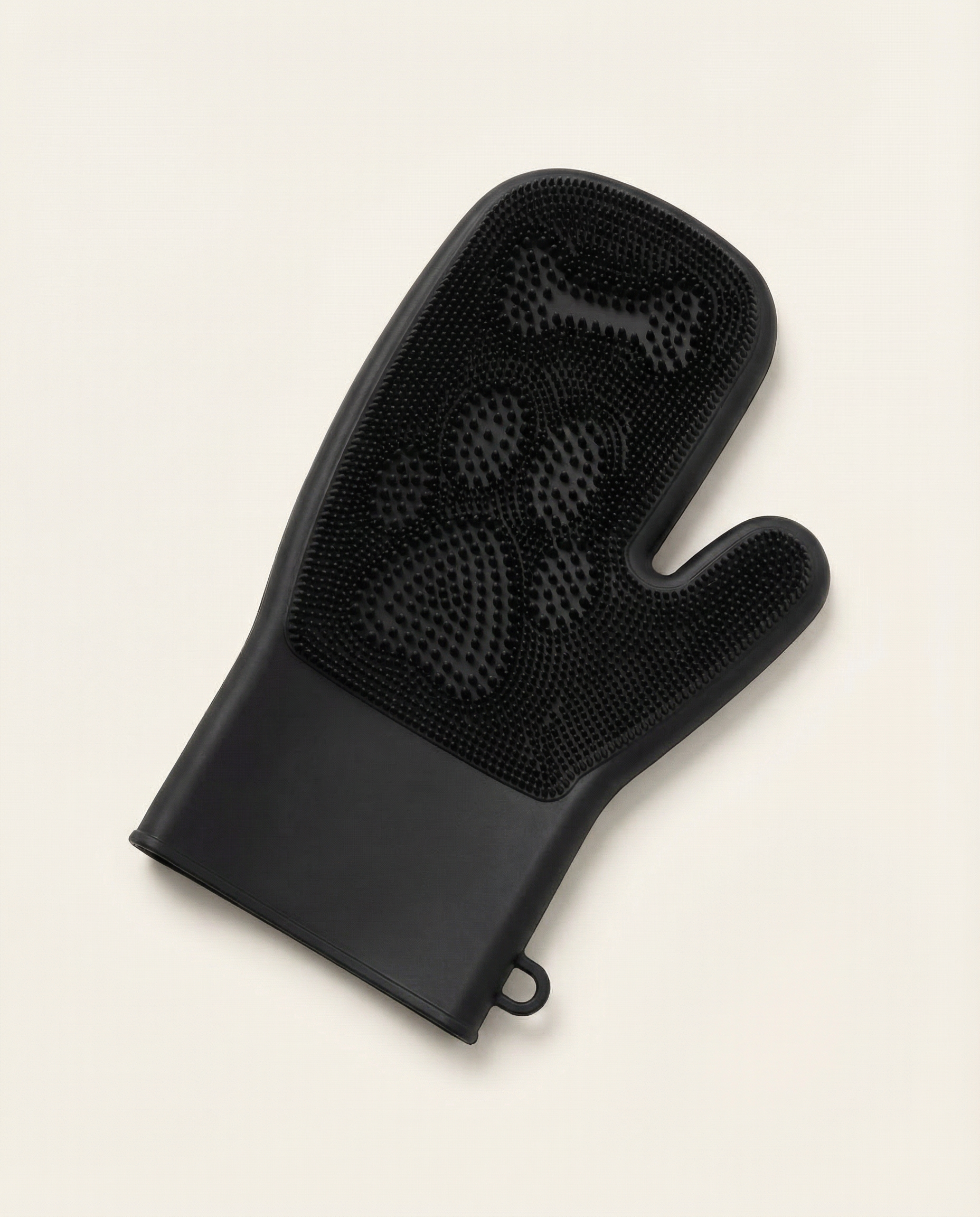
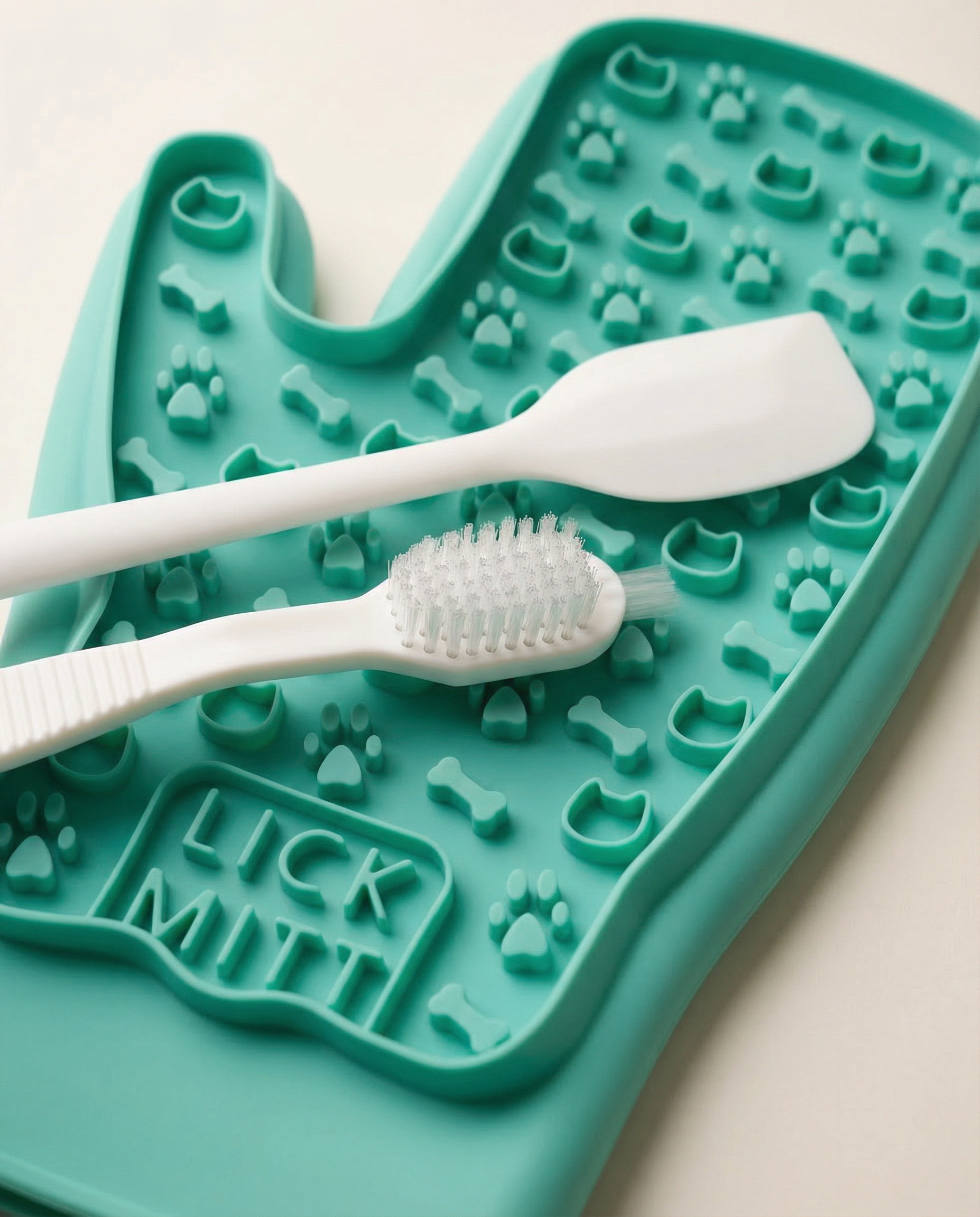
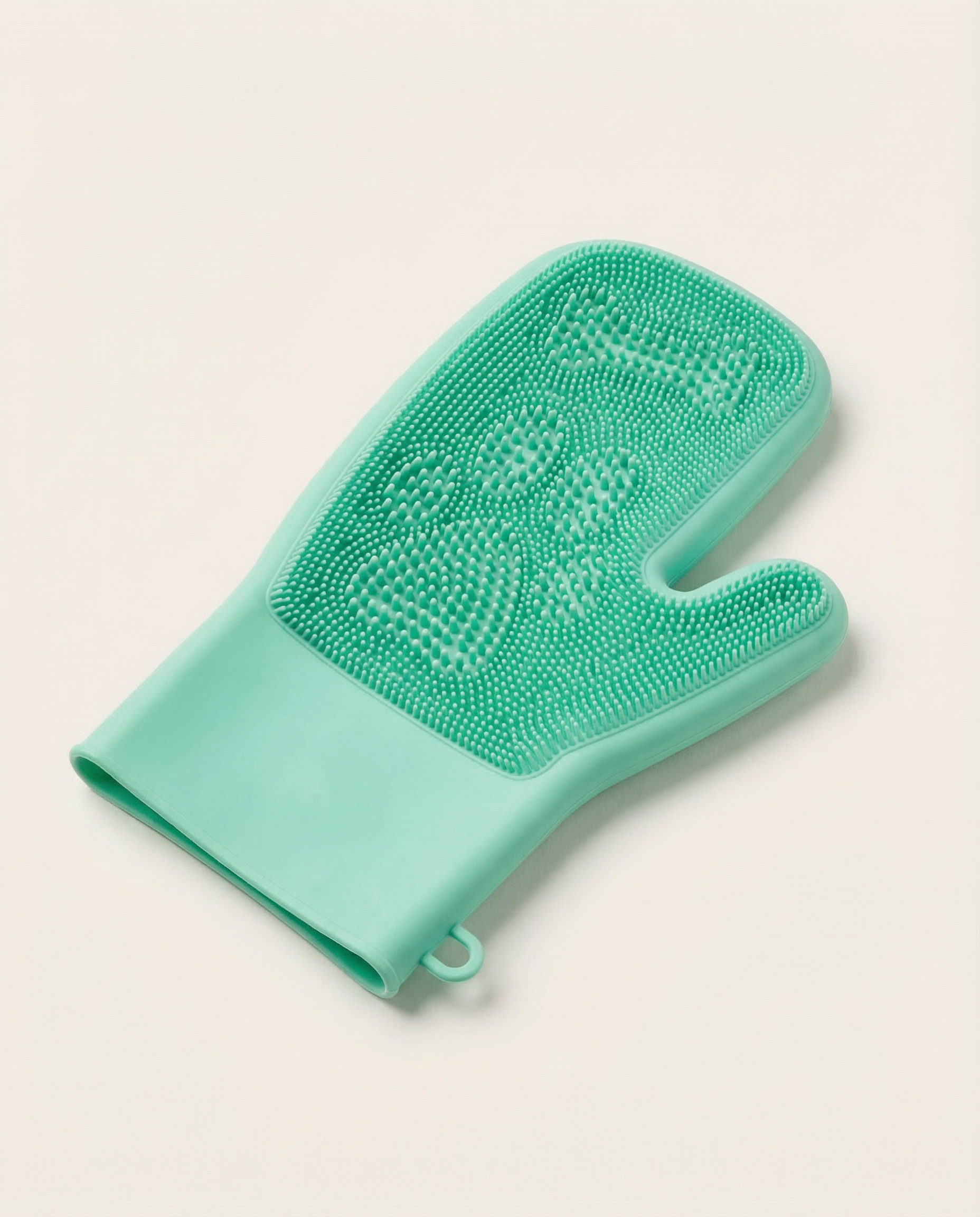
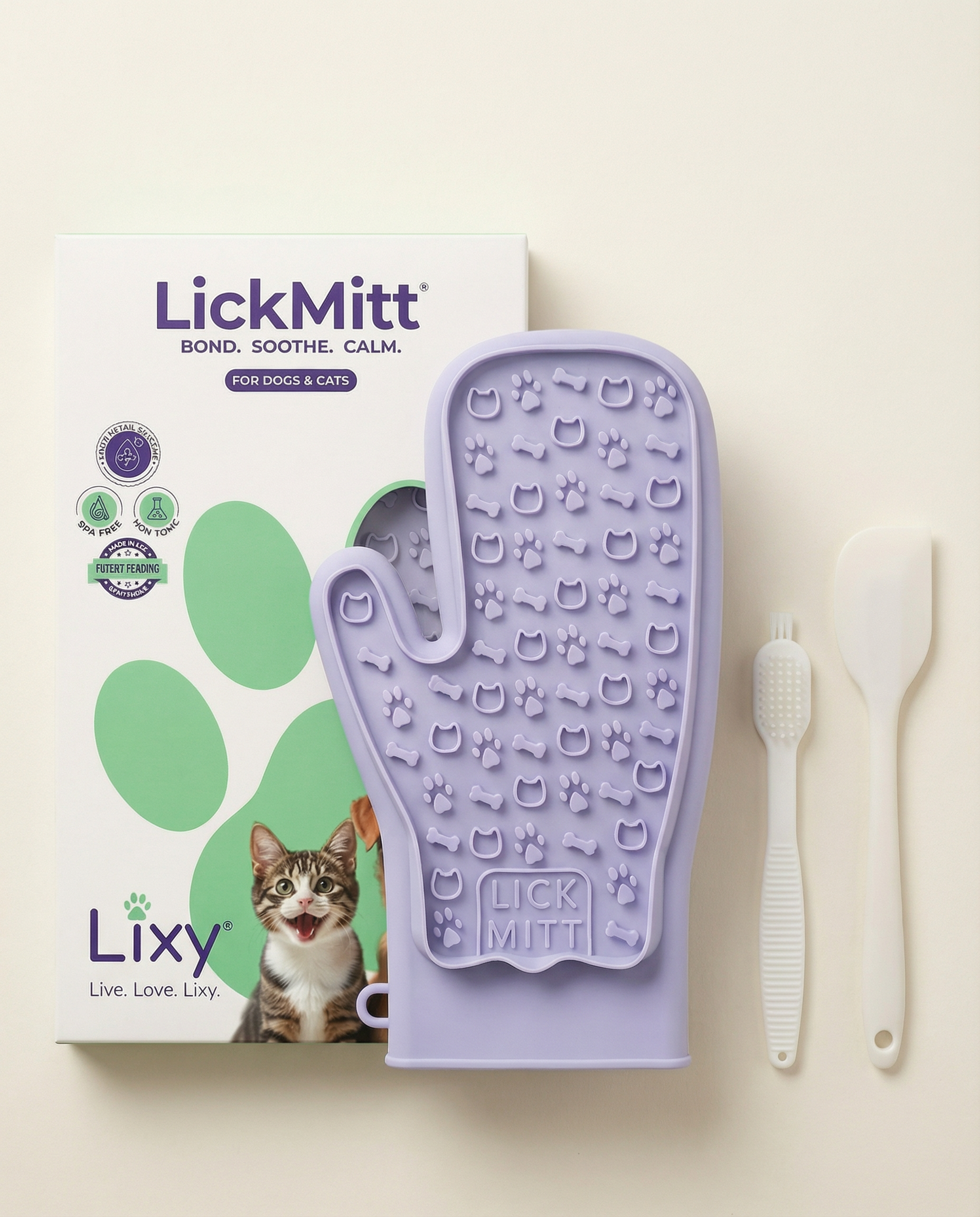
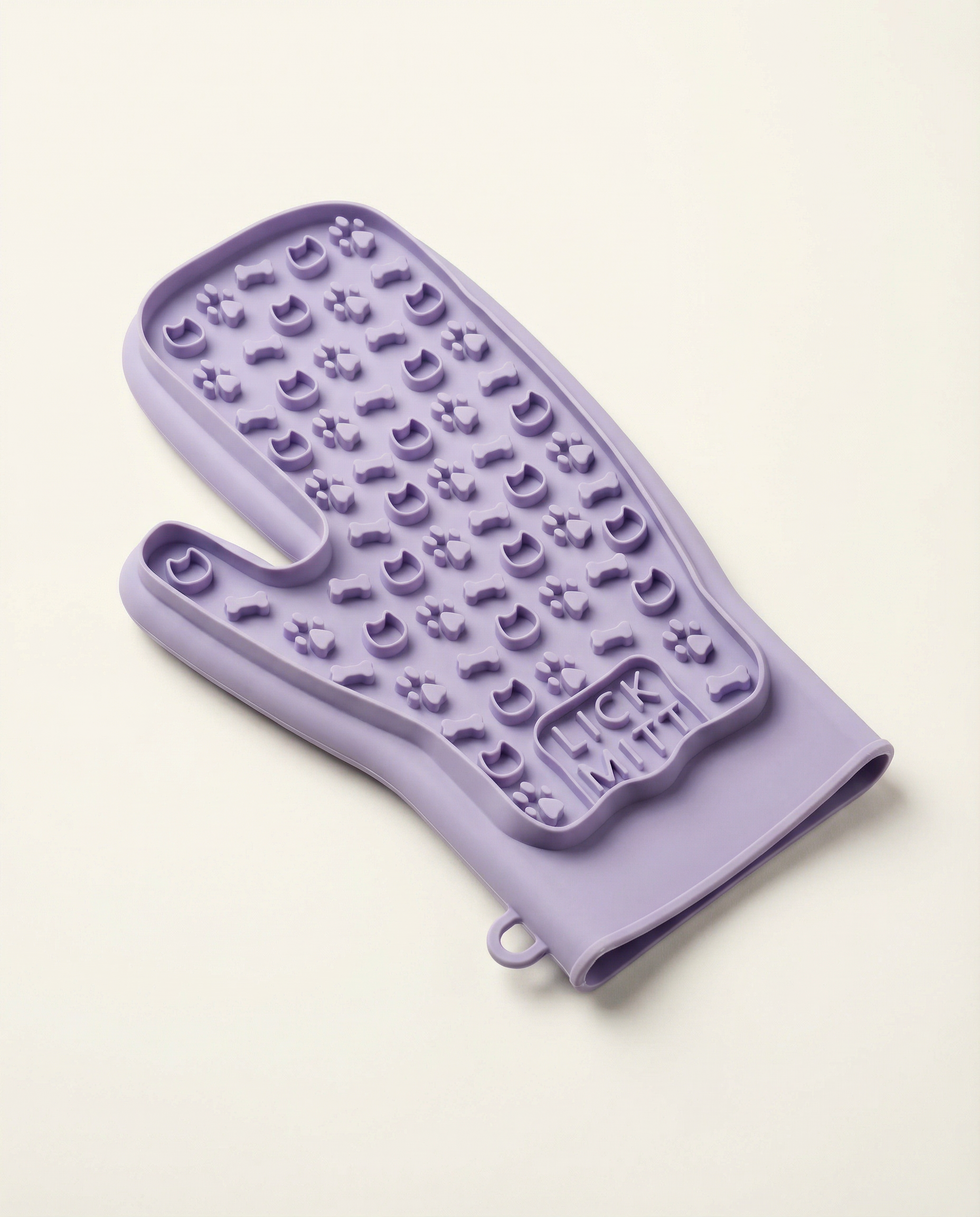
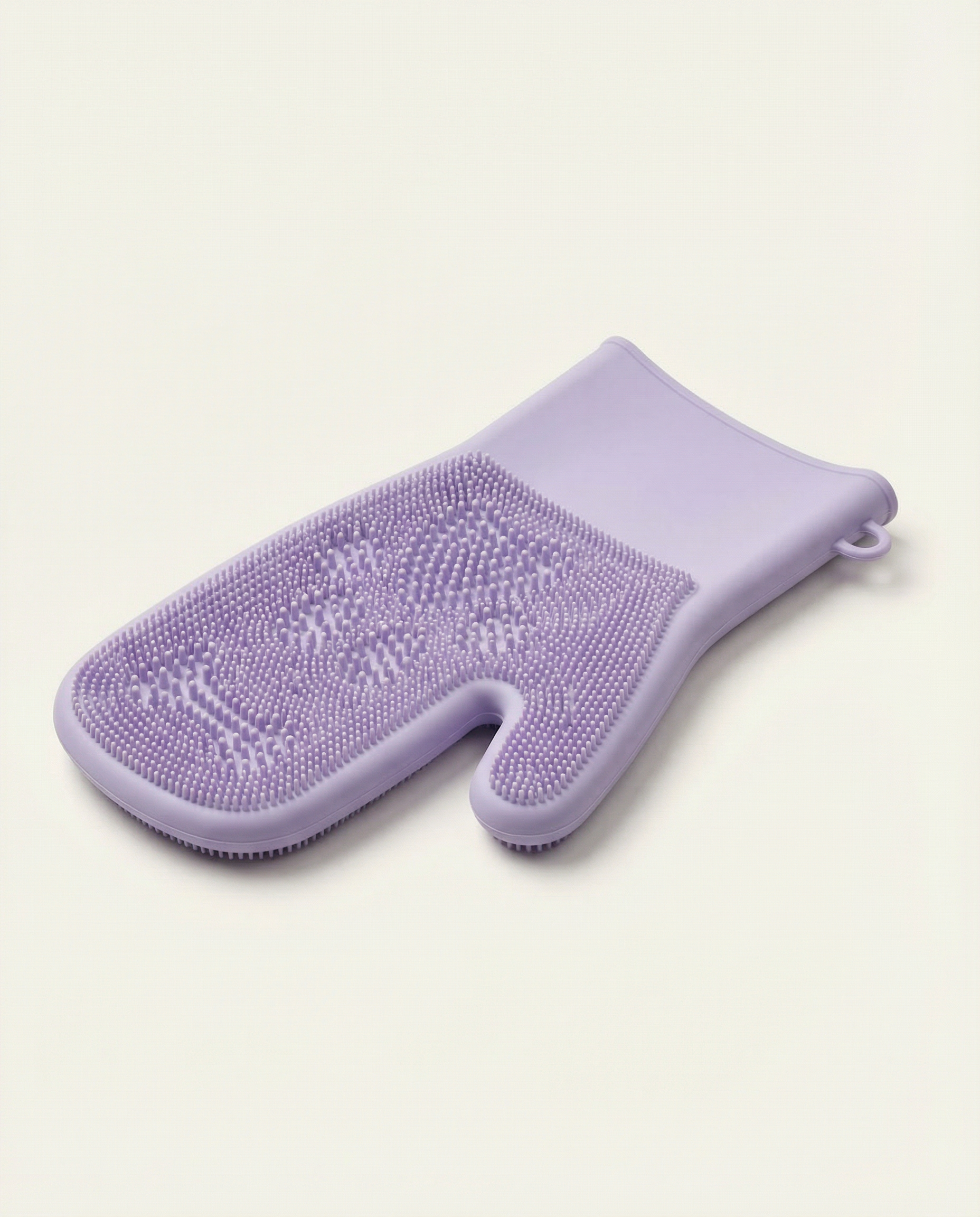
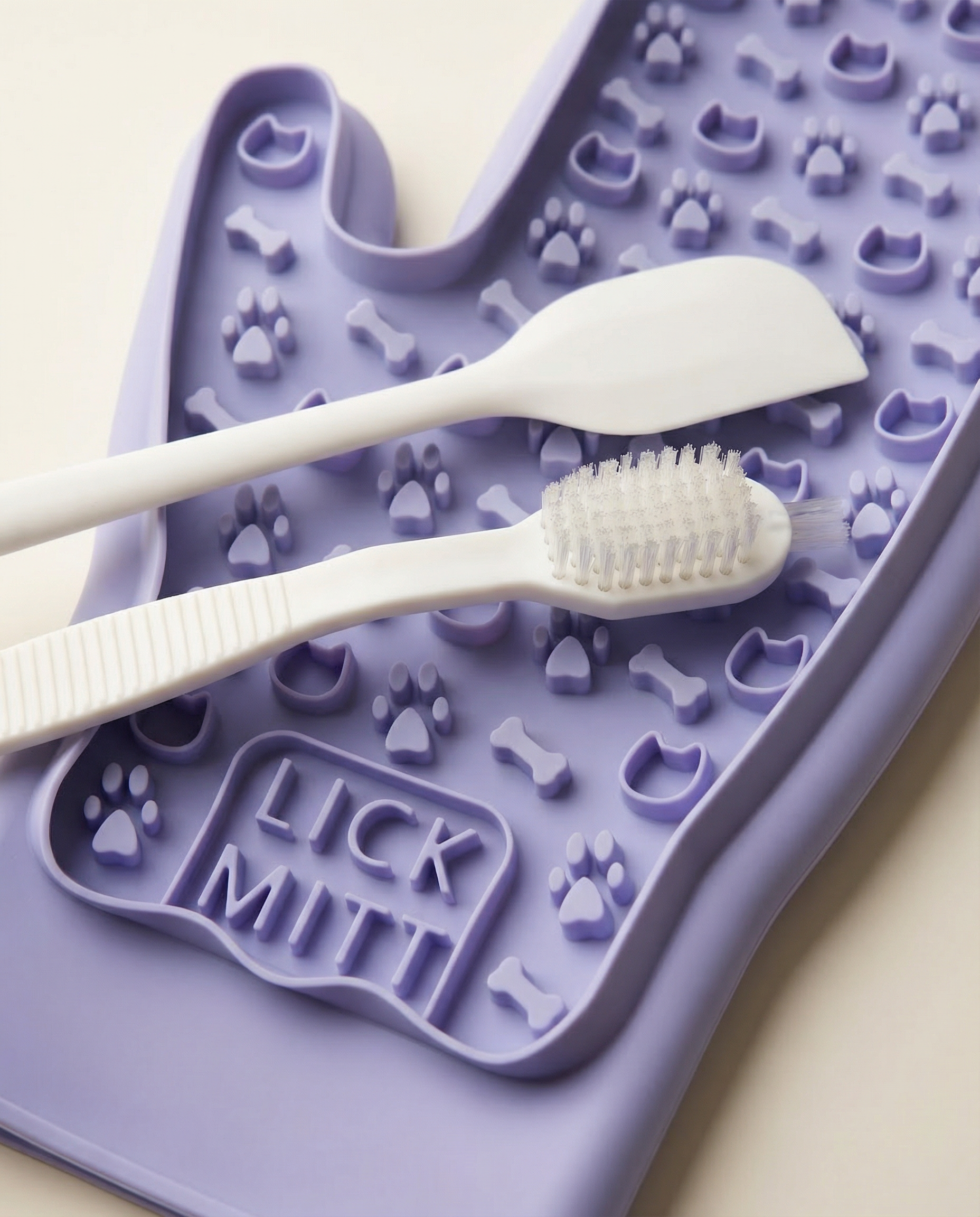
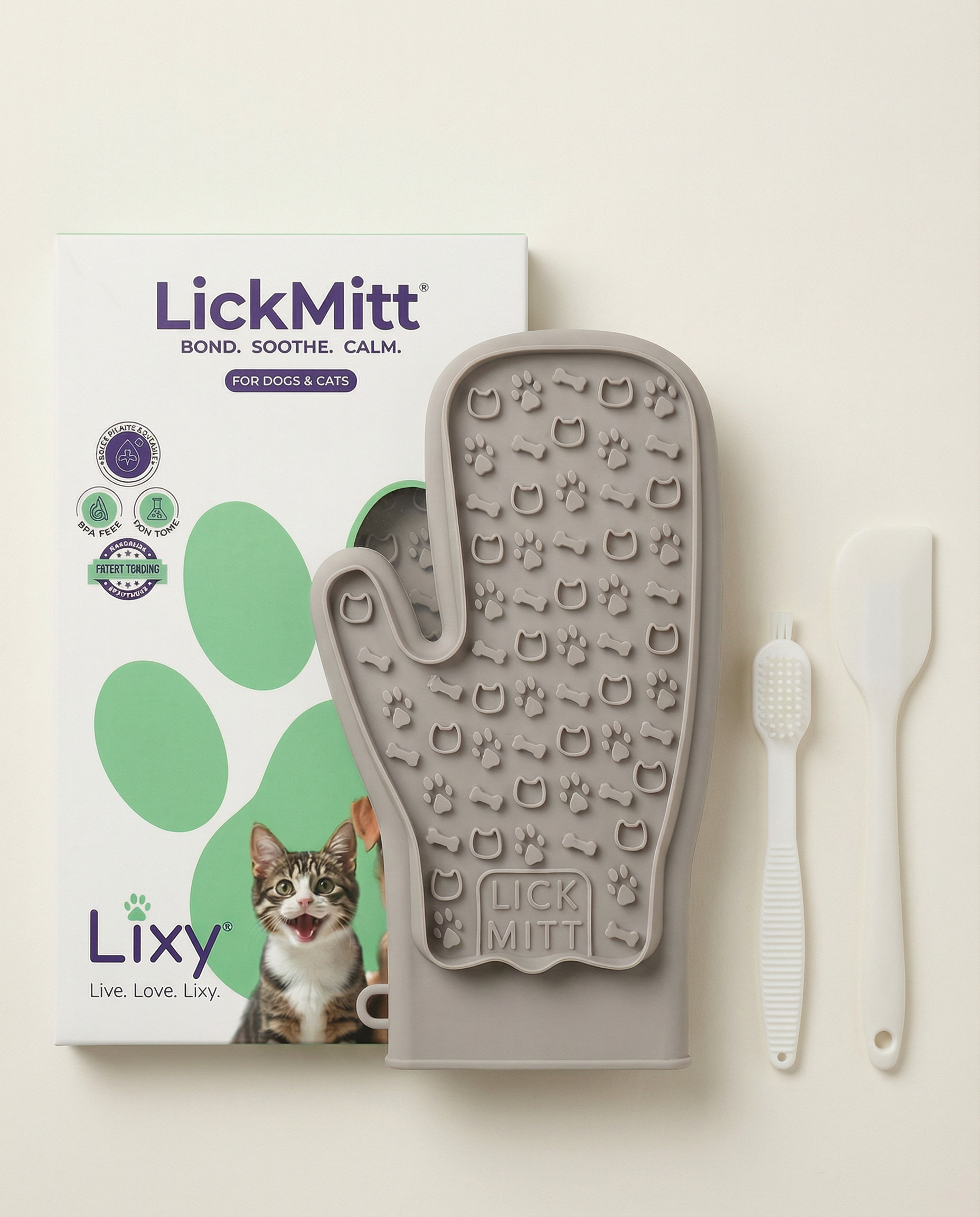
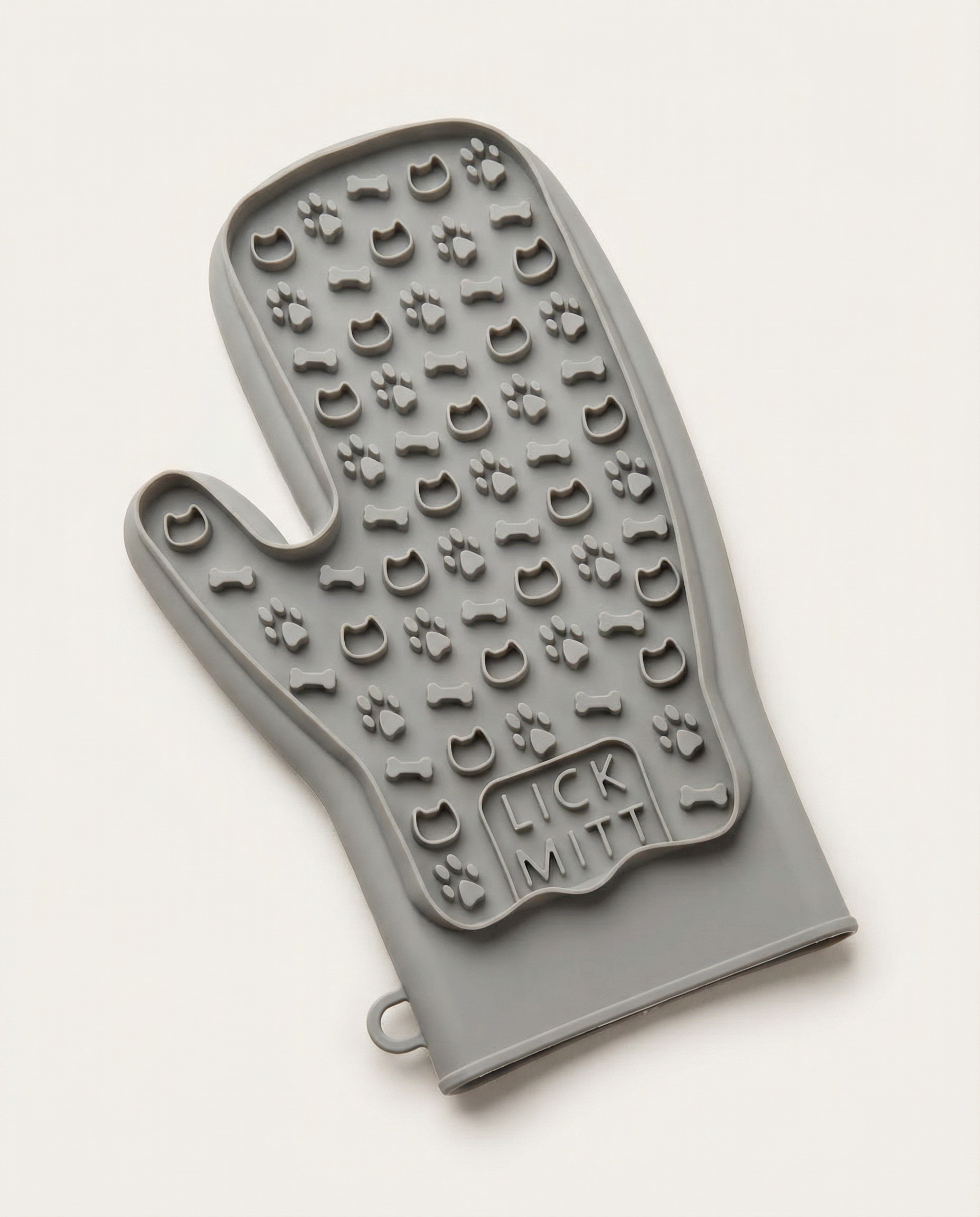
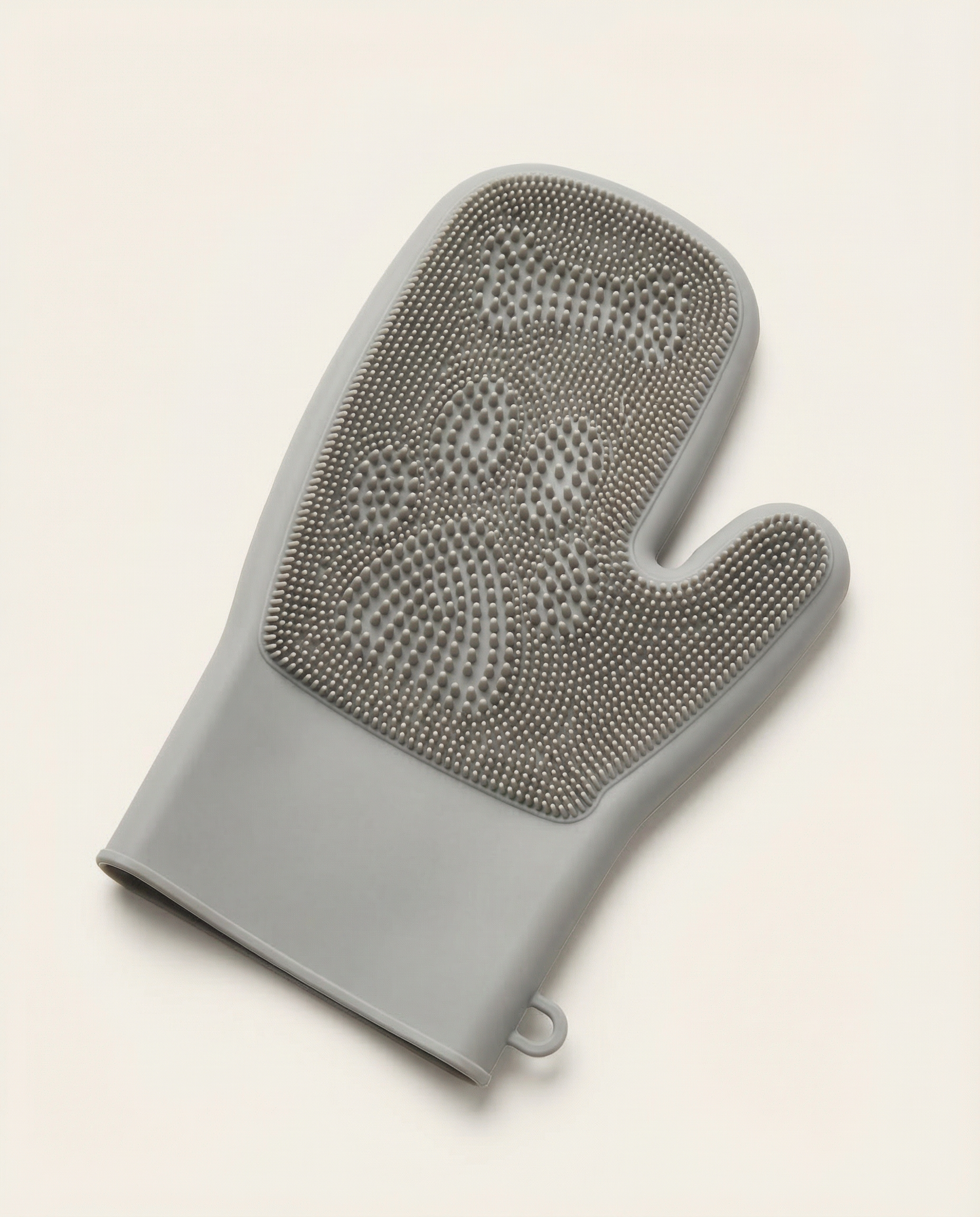
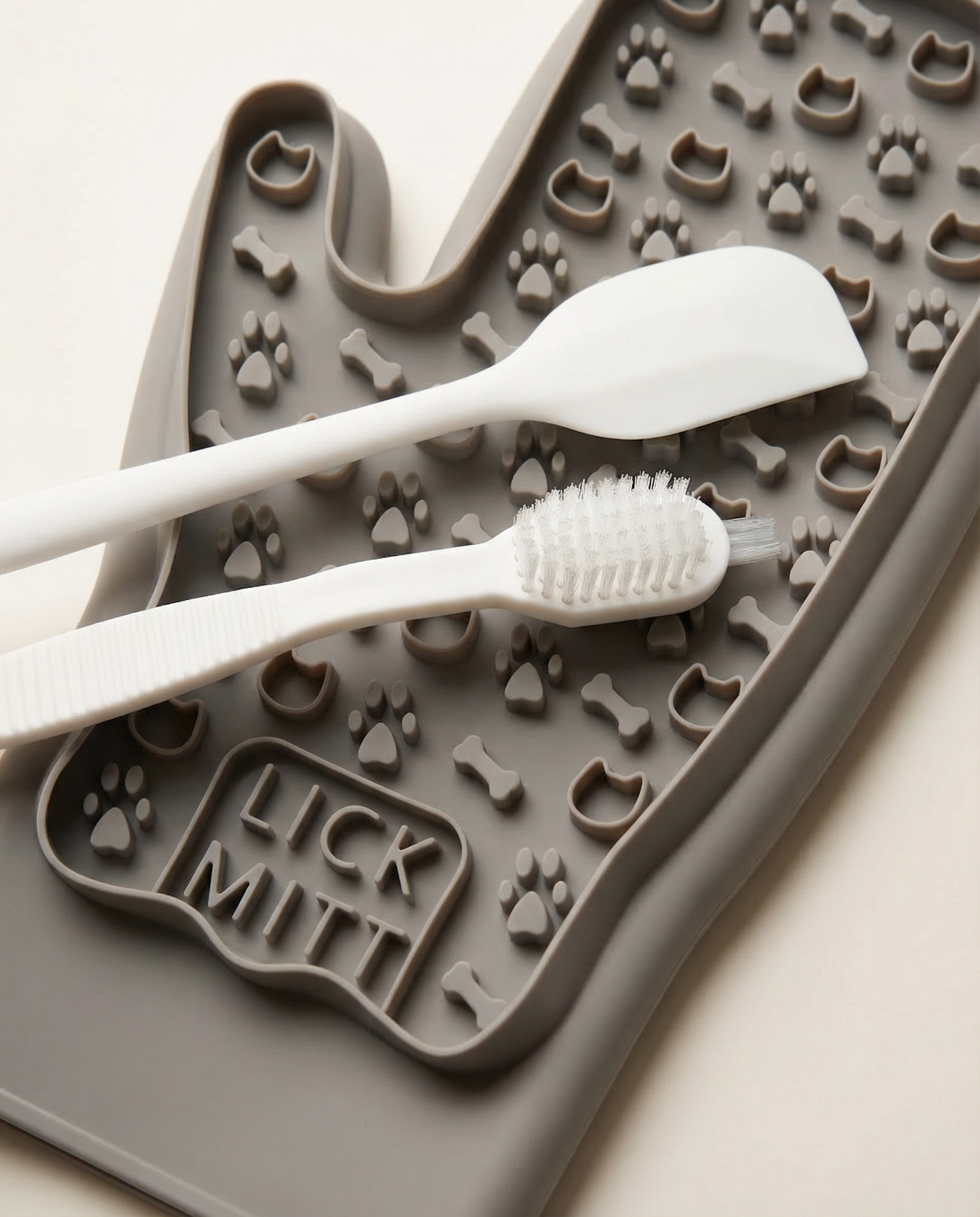
Soothing Meets Grooming
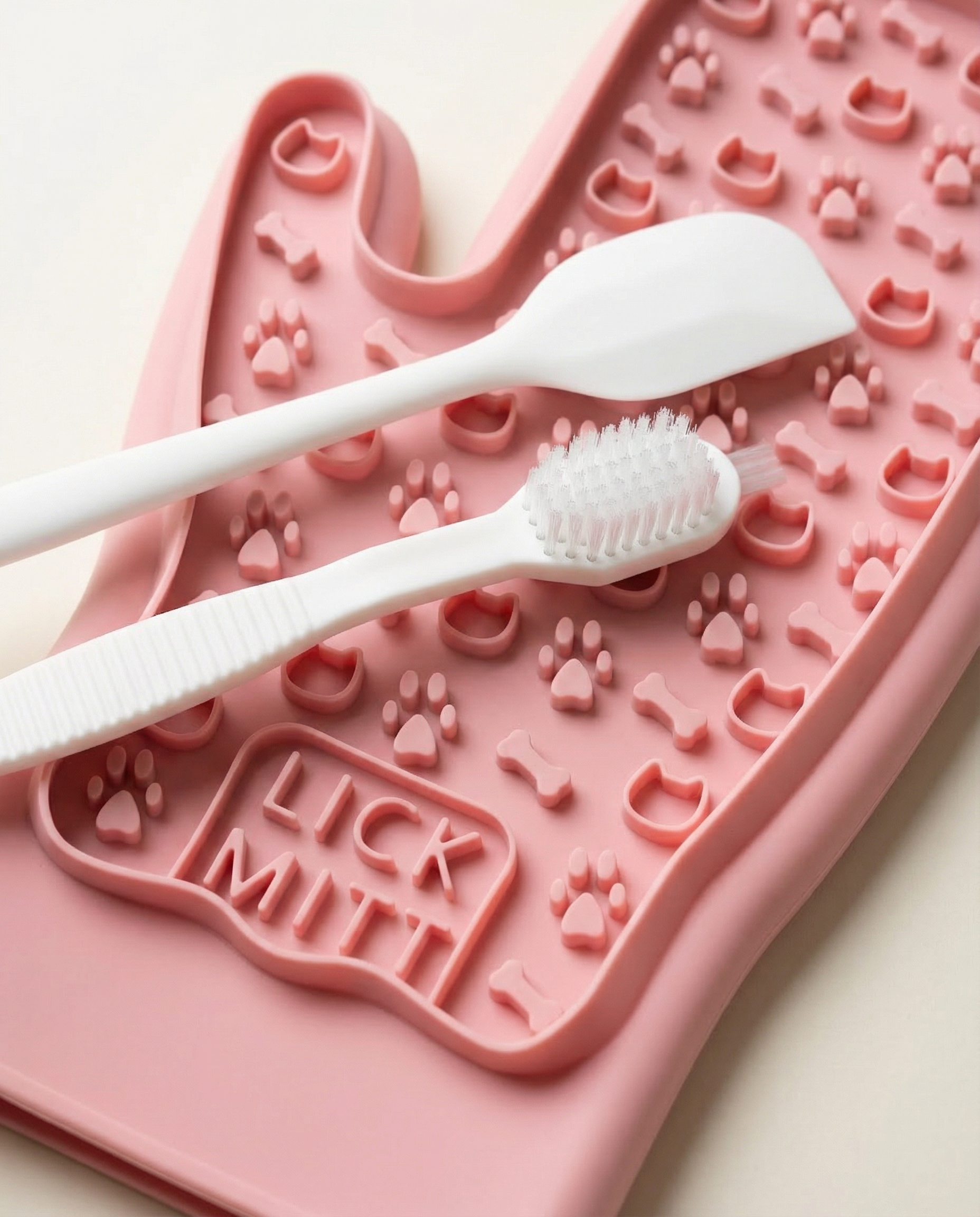
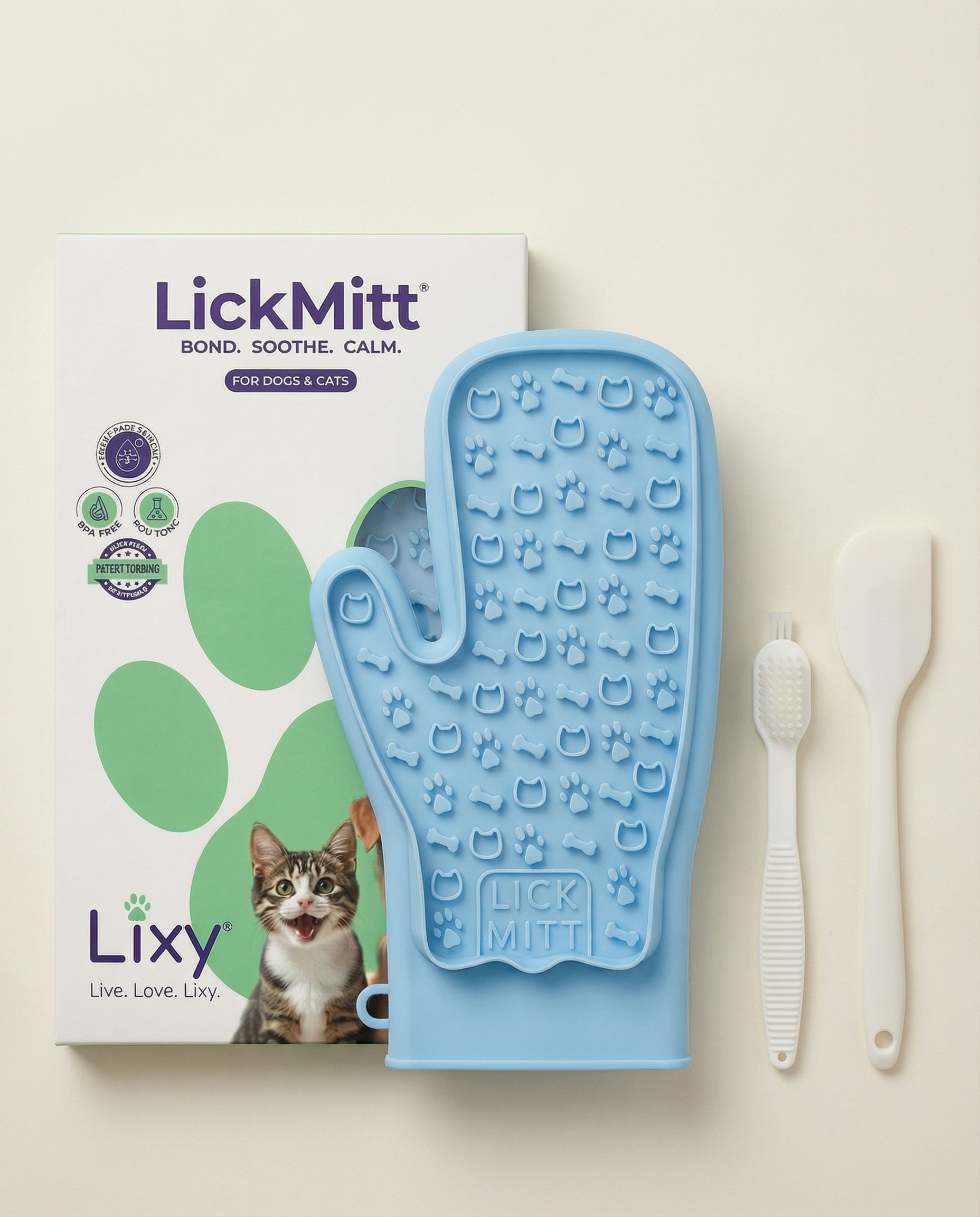
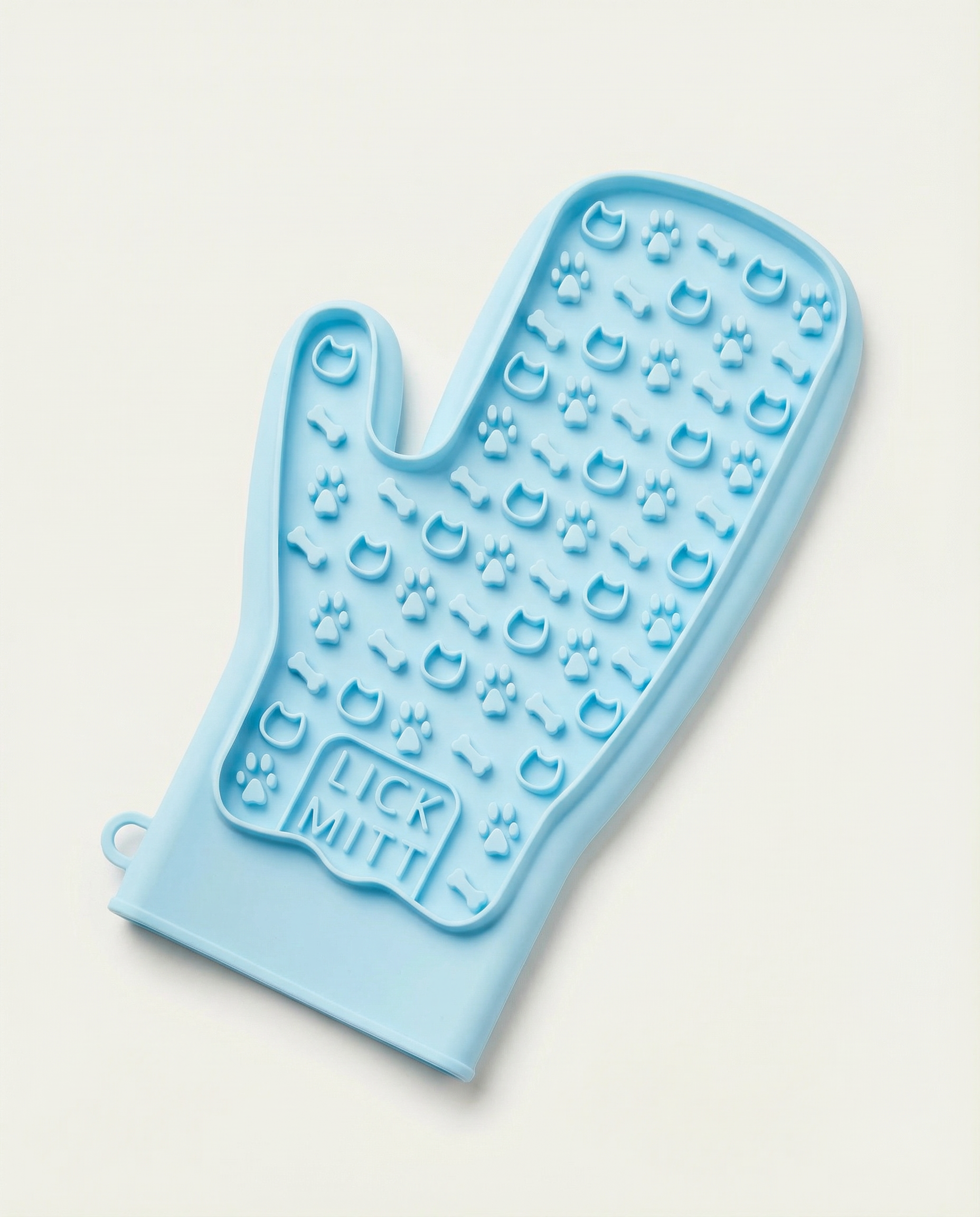
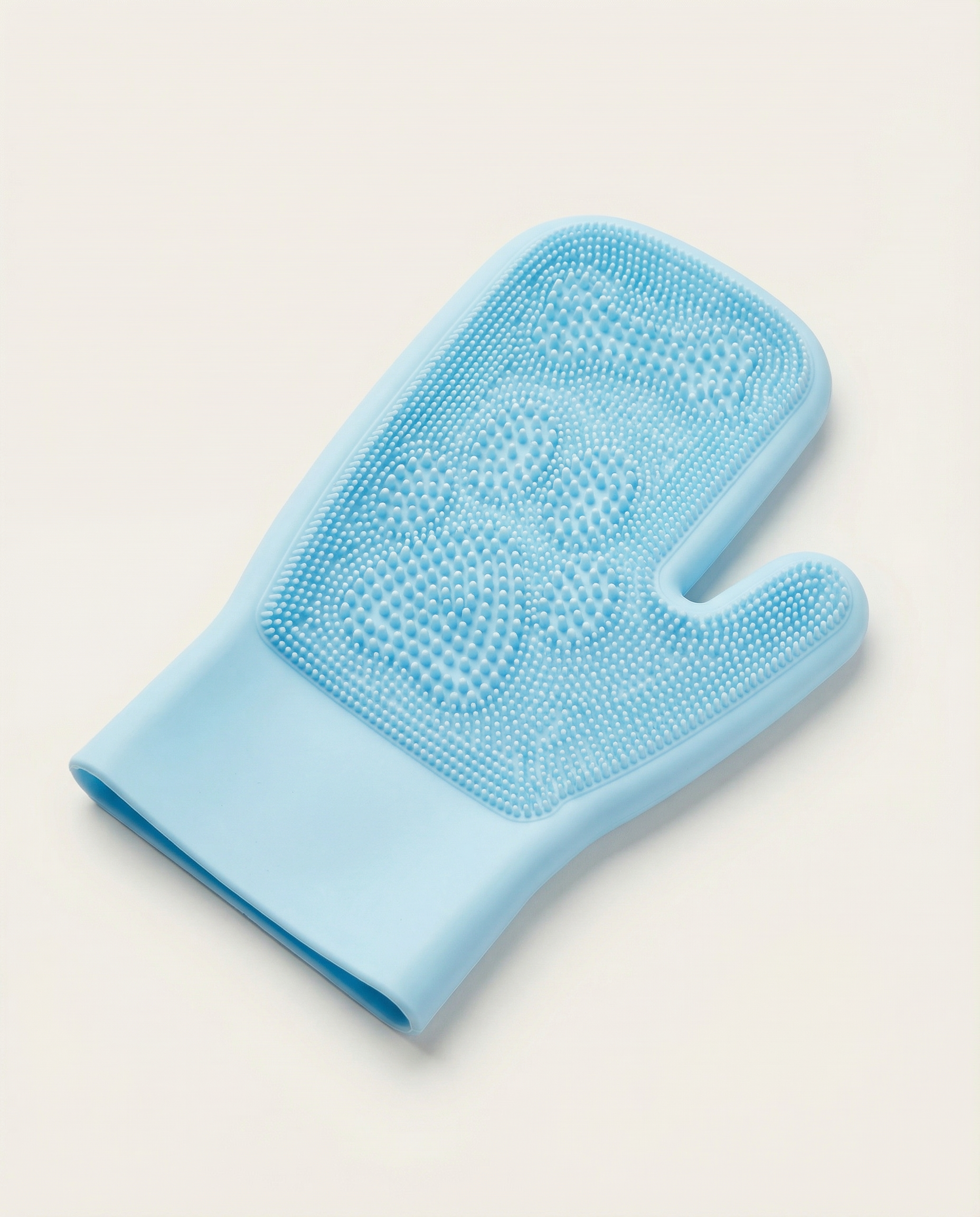
Two intentional textures working together to calm anxious moments, care for the coat, and reinforce the human-animal bond.
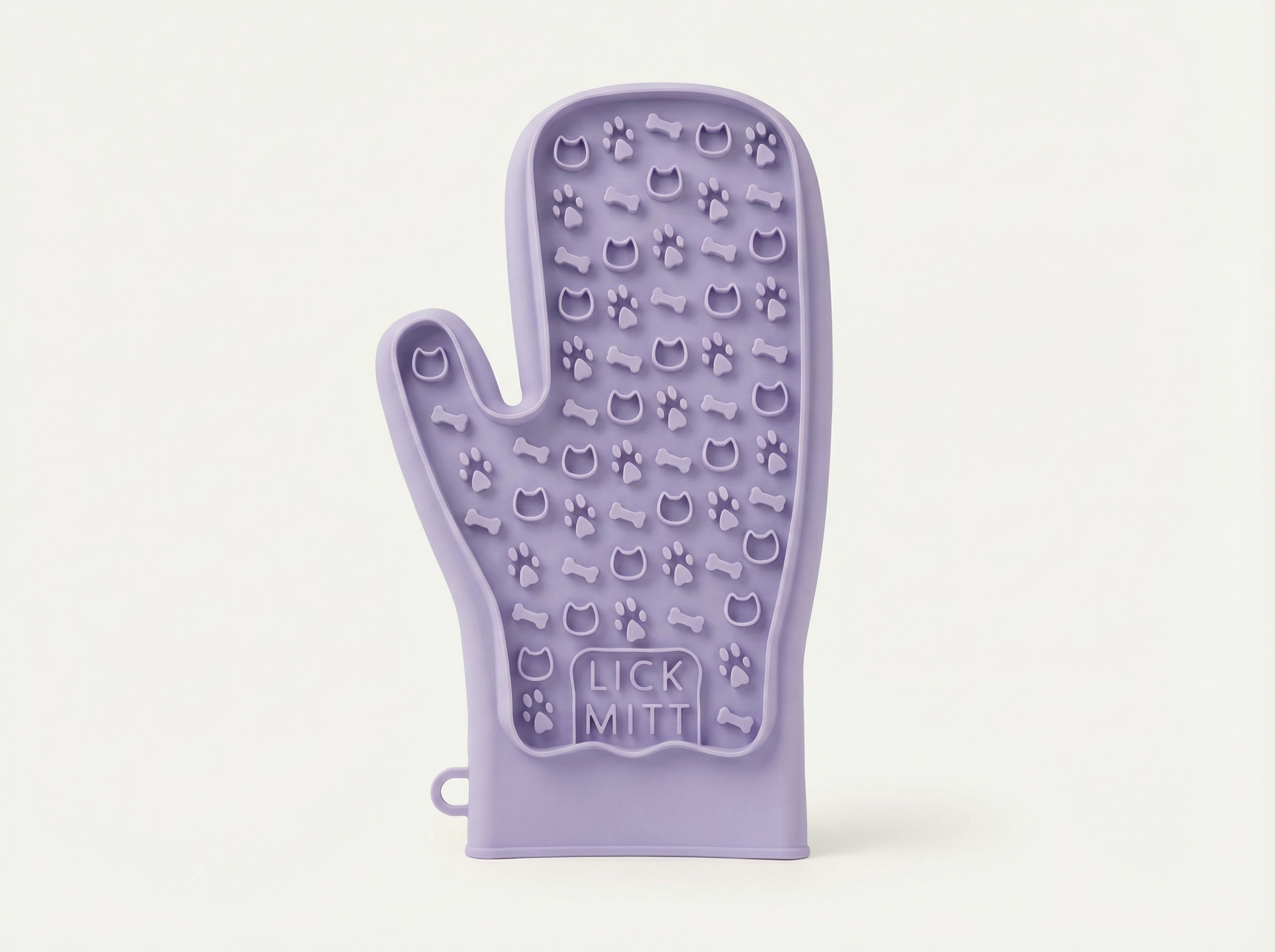
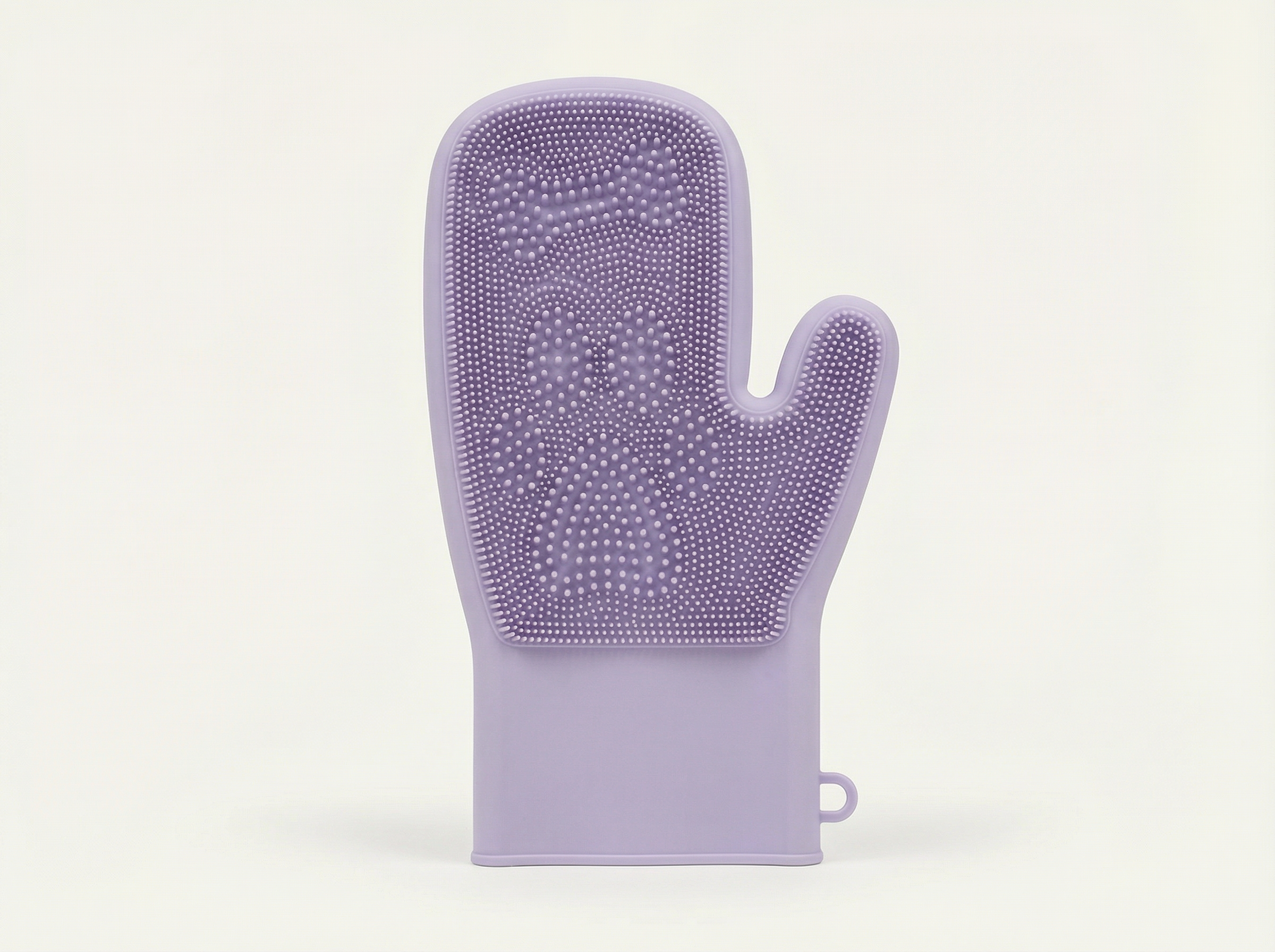

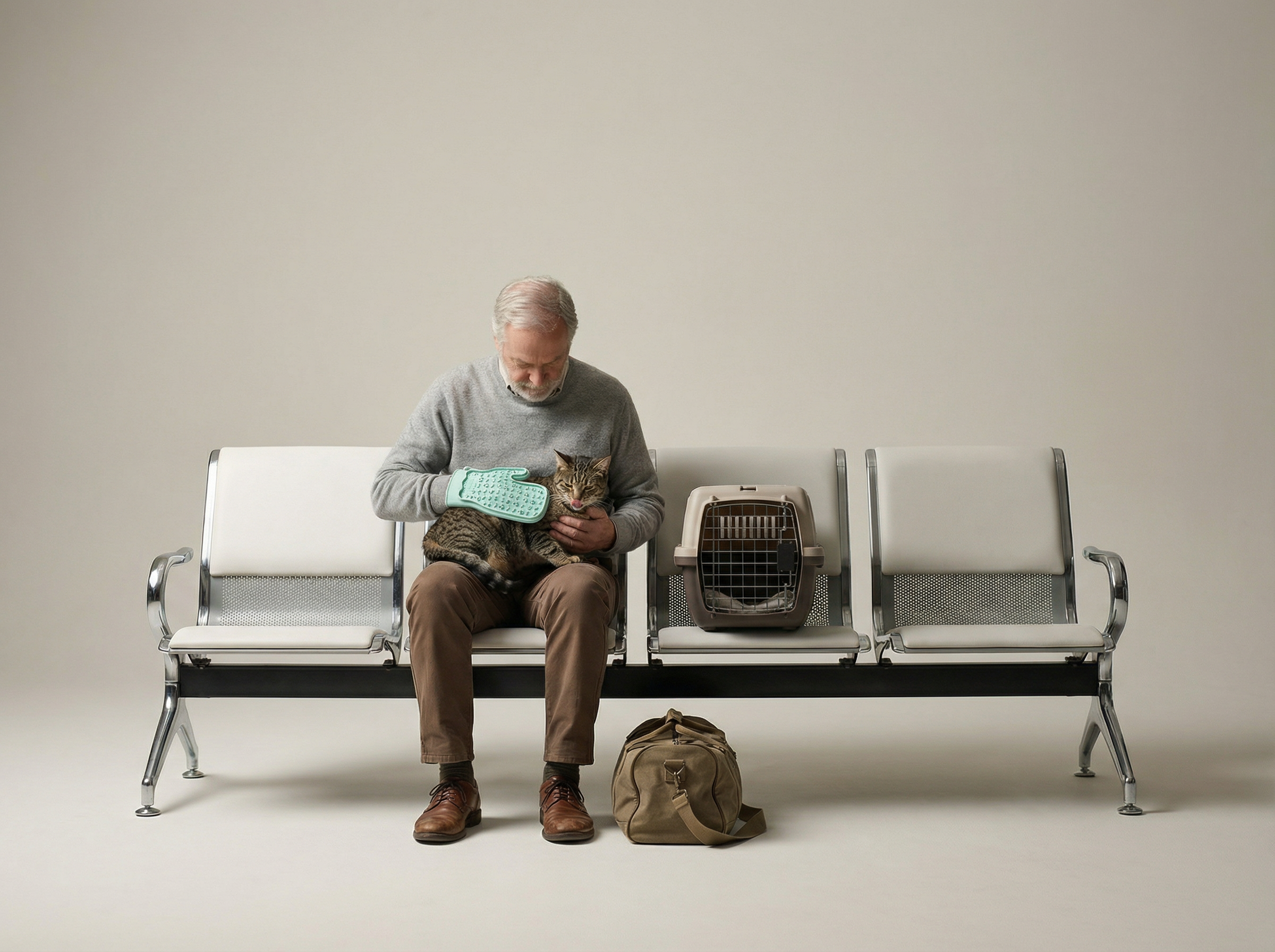
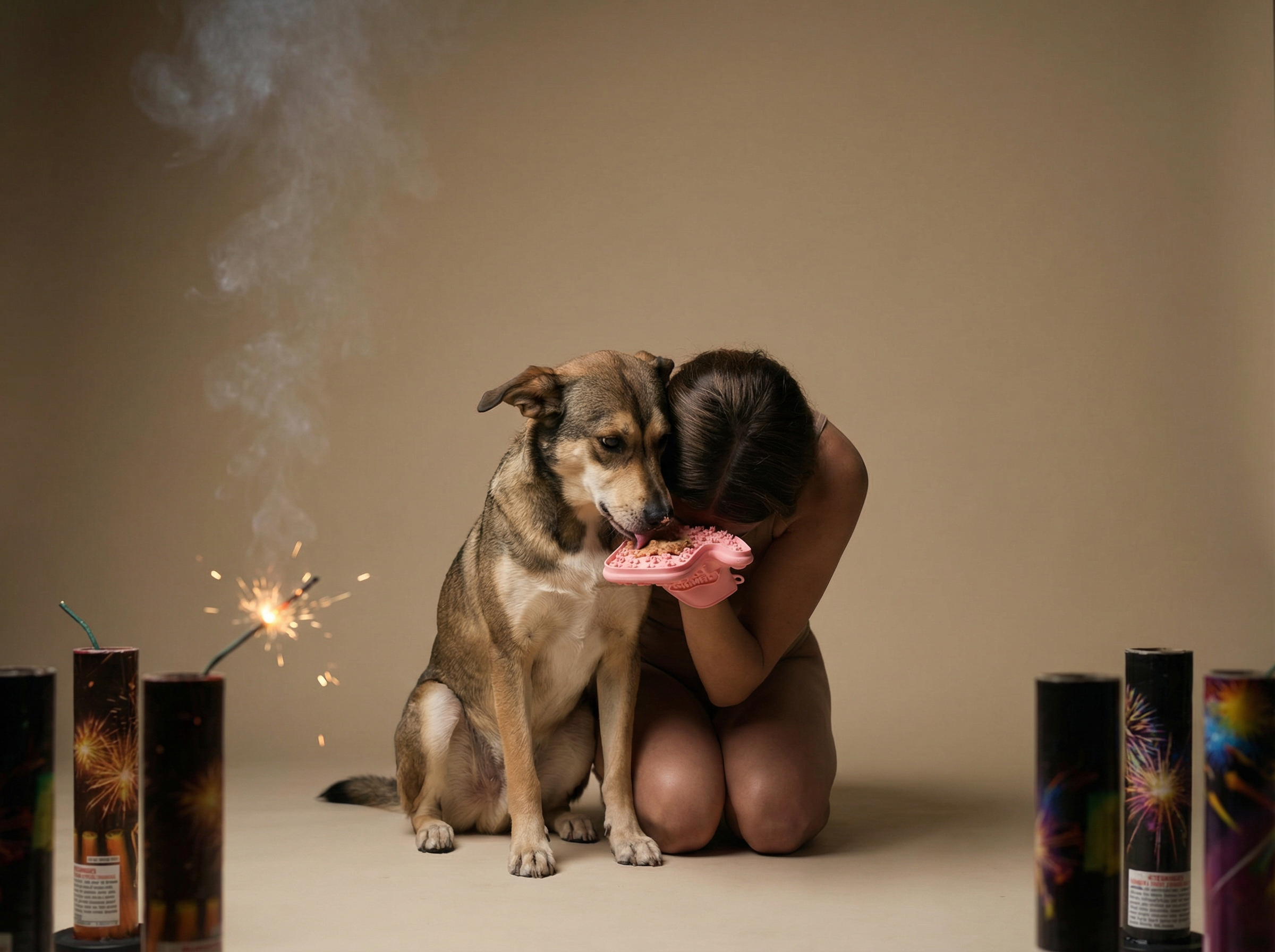
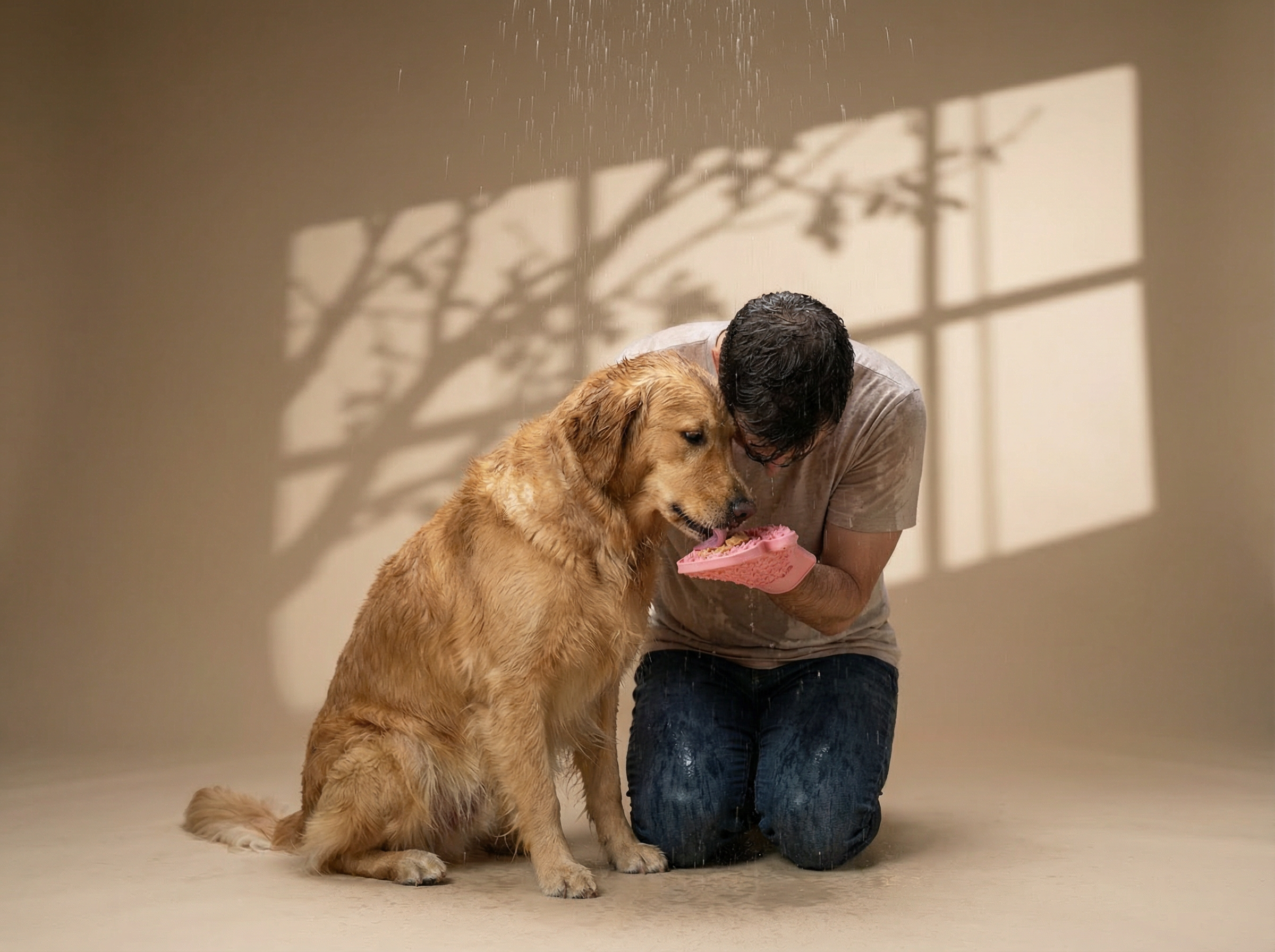
From storms to travel to everyday anxiety, LickMitt turns stressful moments into shared calm.
Explore Calming Scenarios
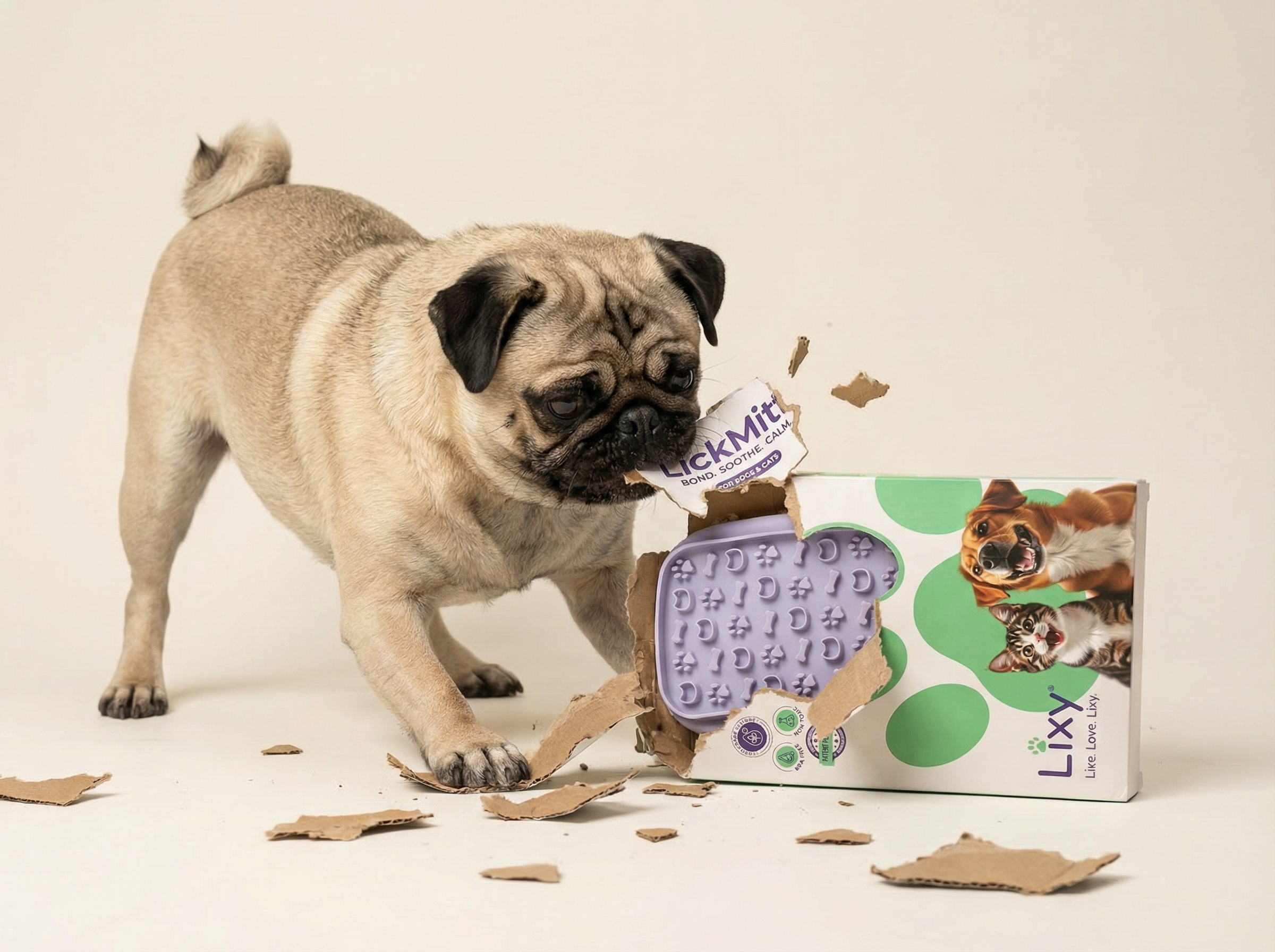
Meet our Advisors
LickMitt® is shaped by veterinarians, behavior specialists, and rescue professionals who understand how animals experience stress — and how connection helps them feel safe.

Dr. Elena Marquez, DVM, DACVB
Dr. Elena Marquez, DVM, DACVB
Veterinary Behaviorist & Animal Welfare Advisor
Dr. Marquez is a board-certified veterinary behaviorist with over 15 years of experience working with anxiety, fear-based behaviors, and stress responses in companion animals. She has consulted with shelters, veterinary clinics, and product innovators focused on non-invasive calming tools.
Advisory Focus:
- Stress reduction through natural behaviors
- Licking as a self-soothing mechanism
- Humane, positive-association care practices
“Licking is one of the most natural calming behaviors animals have. When used thoughtfully, it can help regulate stress and build trust rather than suppress behavior.”
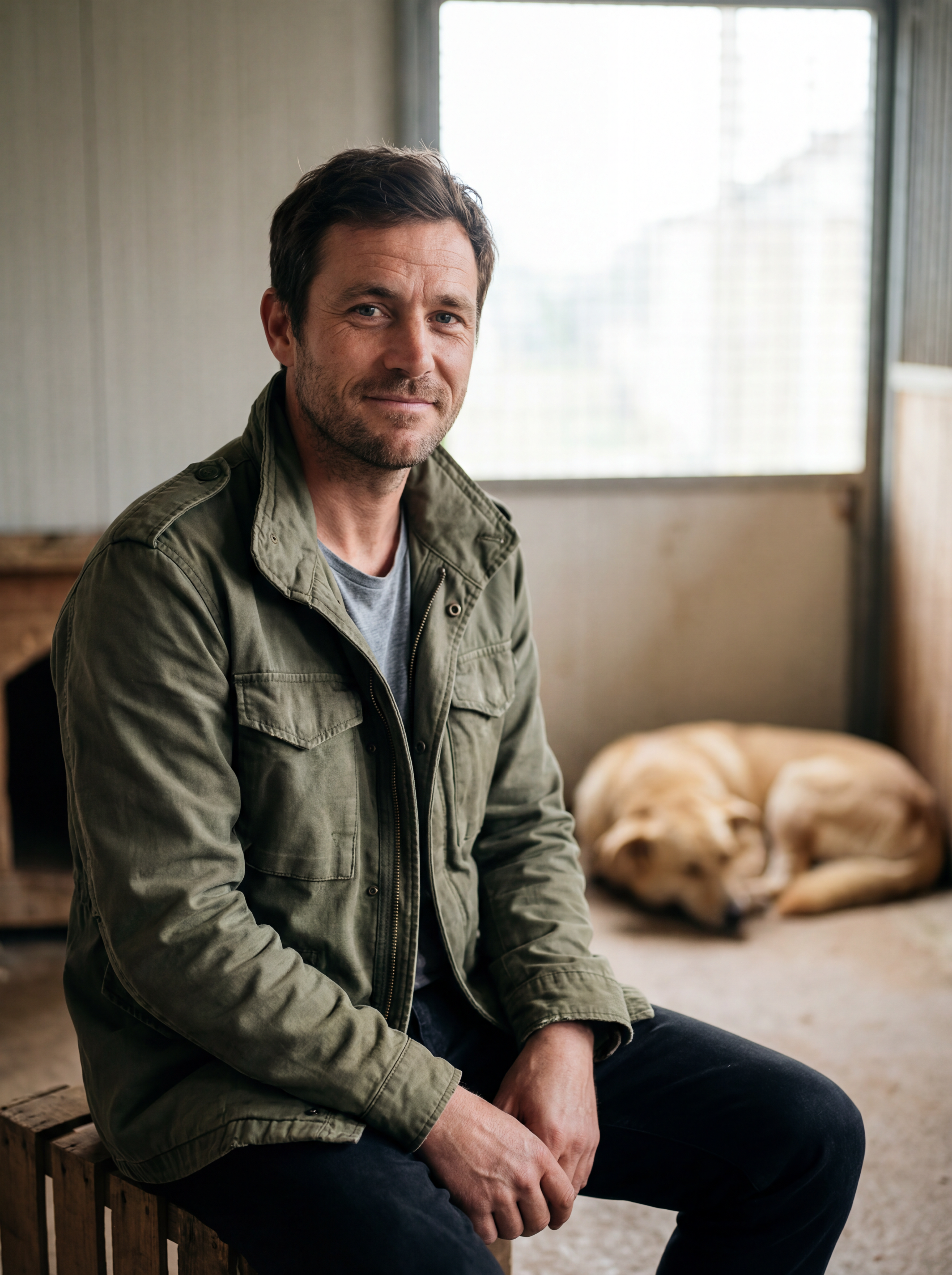
Marcus Hill
Marcus Hill
Founder, Second Chance Animal Recovery
Marcus has spent over a decade rehabilitating rescue dogs and cats from high-stress environments. His work focuses on helping animals decompress, rebuild trust with humans, and transition successfully into permanent homes.
Advisory Focus:
- Rescue decompression & bonding
- Trust-building through gentle interaction
- Tools that reduce fear without force
“Connection comes before correction. Tools that invite calm interaction can change the entire trajectory of a rescue animal.”
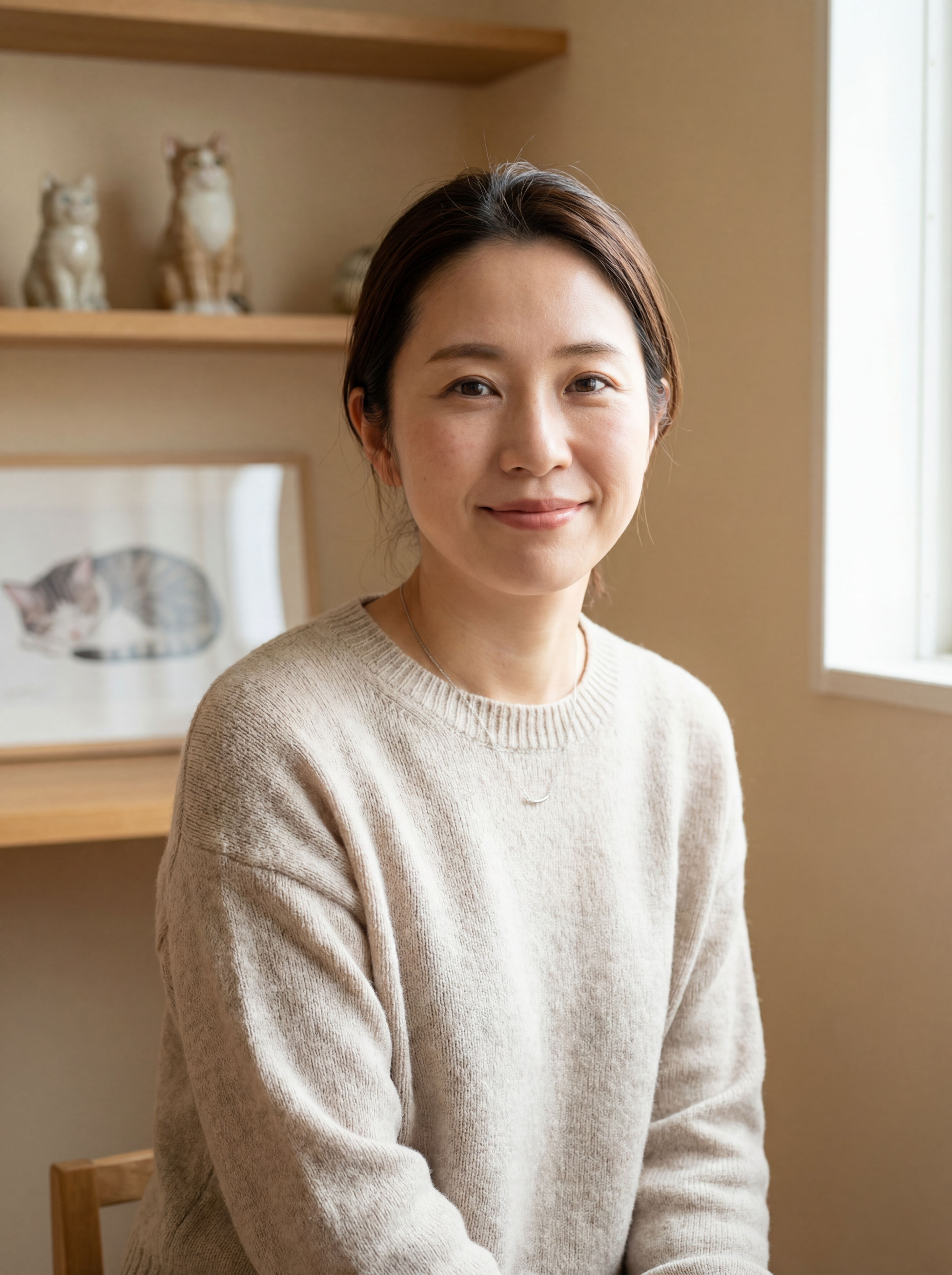
Dr. Naomi Feldman
Dr. Naomi Feldman
Certified Feline Grooming Specialist & Cat Behavior Consultant
Dr. Feldman specializes in low-stress grooming techniques for cats and has worked closely with veterinarians and pet parents to reduce grooming-related anxiety. She advocates for tools that mimic natural grooming sensations and encourage voluntary participation.
Advisory Focus:
- Gentle grooming for sensitive cats
- Reducing stress during care routines
- Positive touch and tactile stimulation
“Grooming should feel like care, not restraint. When animals choose to engage, everything changes.”